Pathophysiology
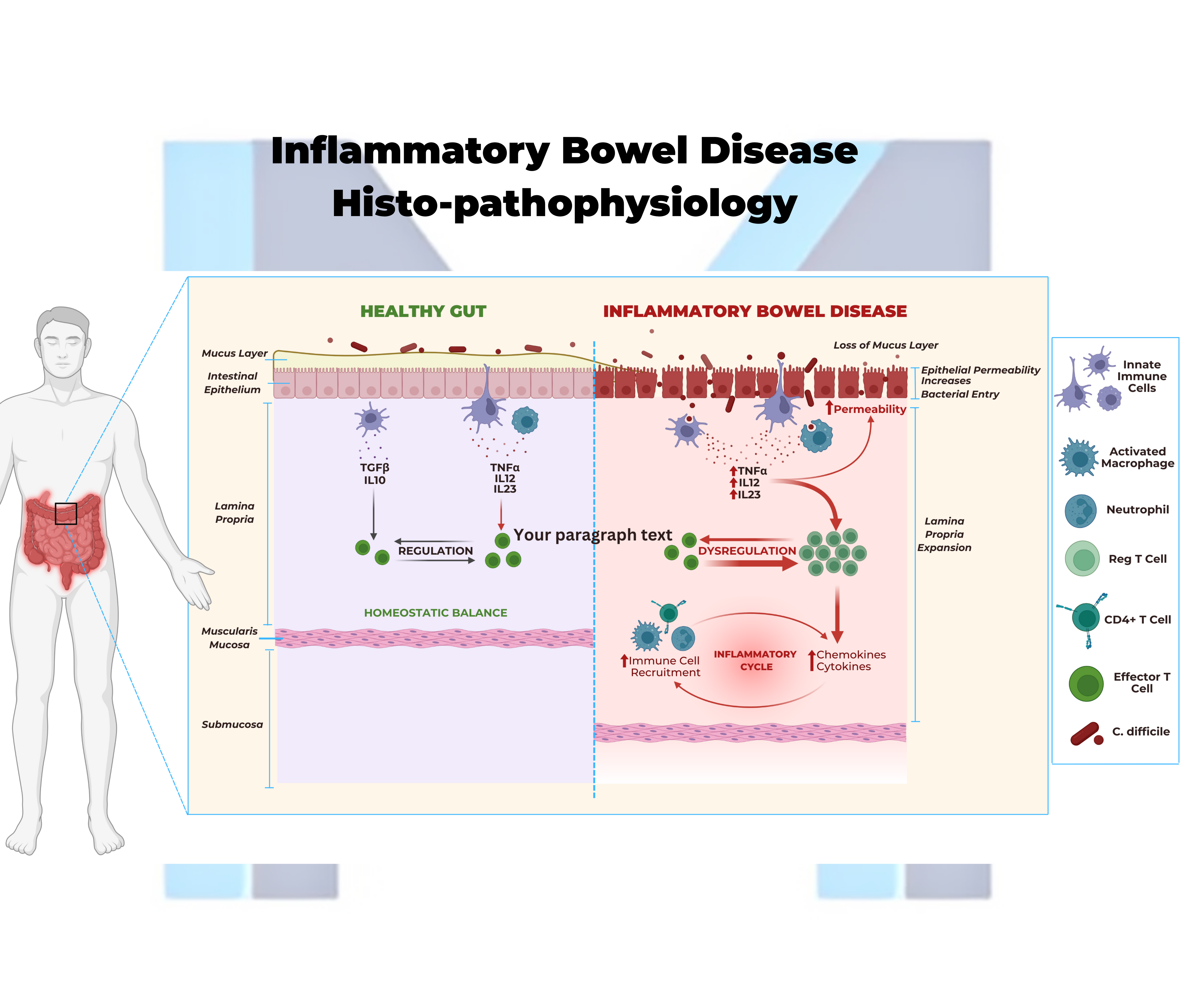
Dysregulated Th2/Th17 mucosal immune response to gut microbiota in genetically susceptible hosts. Superficial inflammation with crypt abscesses and goblet-cell depletion; continuous involvement without skip lesions or transmural inflammation.
Sources: ACG Clinical Guideline: Ulcerative Colitis (Am J Gastroenterol 2019;114:384); AGA Guideline on Moderate-Severe UC (Gastroenterology 2020;158:1450); ECCO UC Guideline 2022 (J Crohns Colitis 2022;16:2)
Clinical presentation
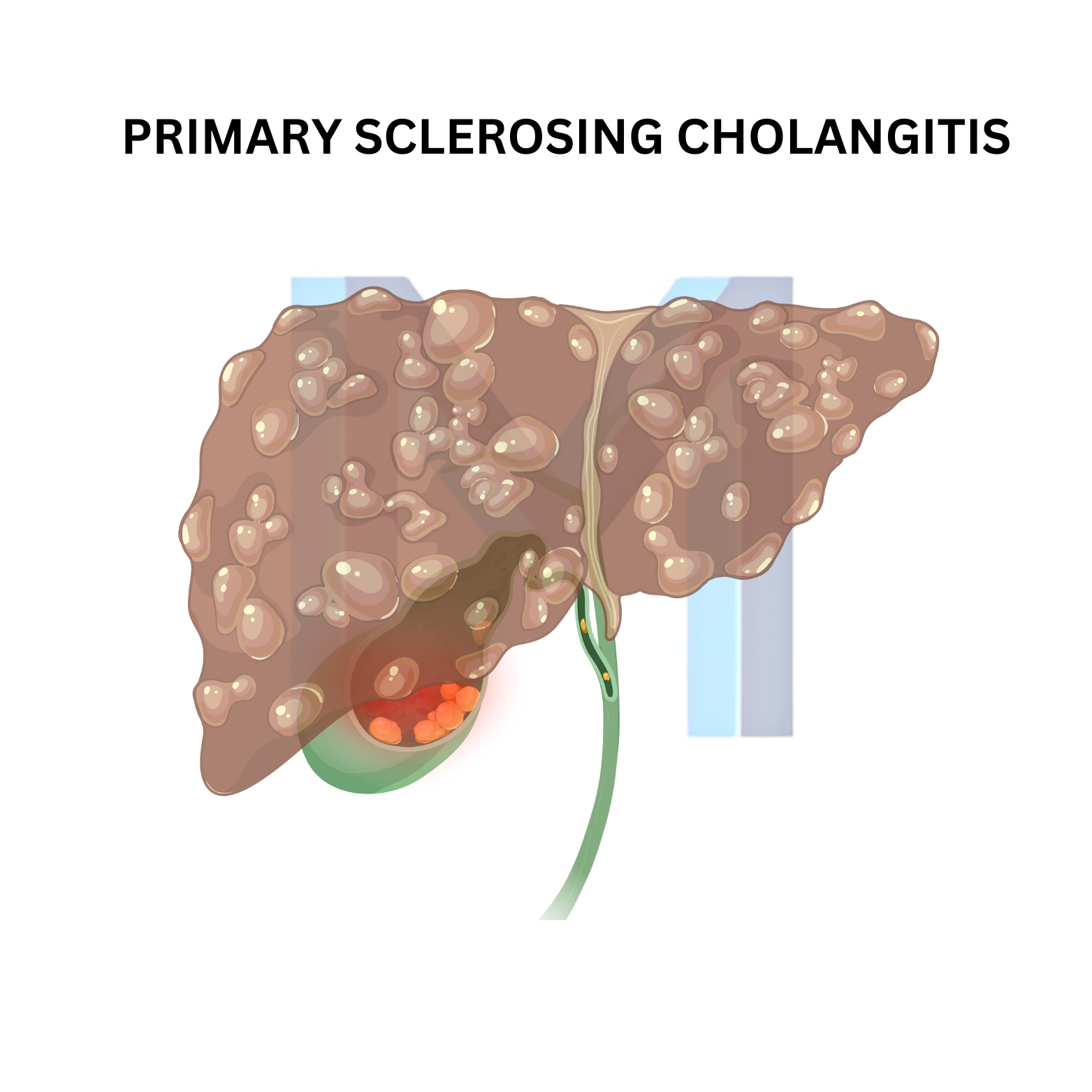
Bloody diarrhoea with mucus, tenesmus, urgency, lower abdominal cramps, weight loss. Extra-intestinal: uveitis, erythema nodosum, pyoderma gangrenosum, primary sclerosing cholangitis, arthritis.
Sources: ACG Clinical Guideline: Ulcerative Colitis (Am J Gastroenterol 2019;114:384); AGA Guideline on Moderate-Severe UC (Gastroenterology 2020;158:1450); ECCO UC Guideline 2022 (J Crohns Colitis 2022;16:2)
Diagnosis
Colonoscopy with biopsy: continuous erythema, granularity, friability, ulcers extending from the rectum. Faecal calprotectin distinguishes IBD from IBS. Rule out infection (C. difficile, CMV in severe flare). Assess severity with Truelove-Witts and Mayo scores.
Sources: ACG Clinical Guideline: Ulcerative Colitis (Am J Gastroenterol 2019;114:384); AGA Guideline on Moderate-Severe UC (Gastroenterology 2020;158:1450); ECCO UC Guideline 2022 (J Crohns Colitis 2022;16:2)
Management
Induction: 5-ASA (mesalazine) topical + oral for mild-moderate; steroids for moderate-severe; biologics (anti-TNF, vedolizumab, ustekinumab, risankizumab) and JAK inhibitors (tofacitinib, upadacitinib) for refractory disease. Maintenance mirrors induction agent. Colectomy is curative and indicated for refractory disease, dysplasia, cancer, or acute severe colitis unresponsive to rescue therapy.
Sources: ACG Clinical Guideline: Ulcerative Colitis (Am J Gastroenterol 2019;114:384); AGA Guideline on Moderate-Severe UC (Gastroenterology 2020;158:1450); ECCO UC Guideline 2022 (J Crohns Colitis 2022;16:2)
Surveillance
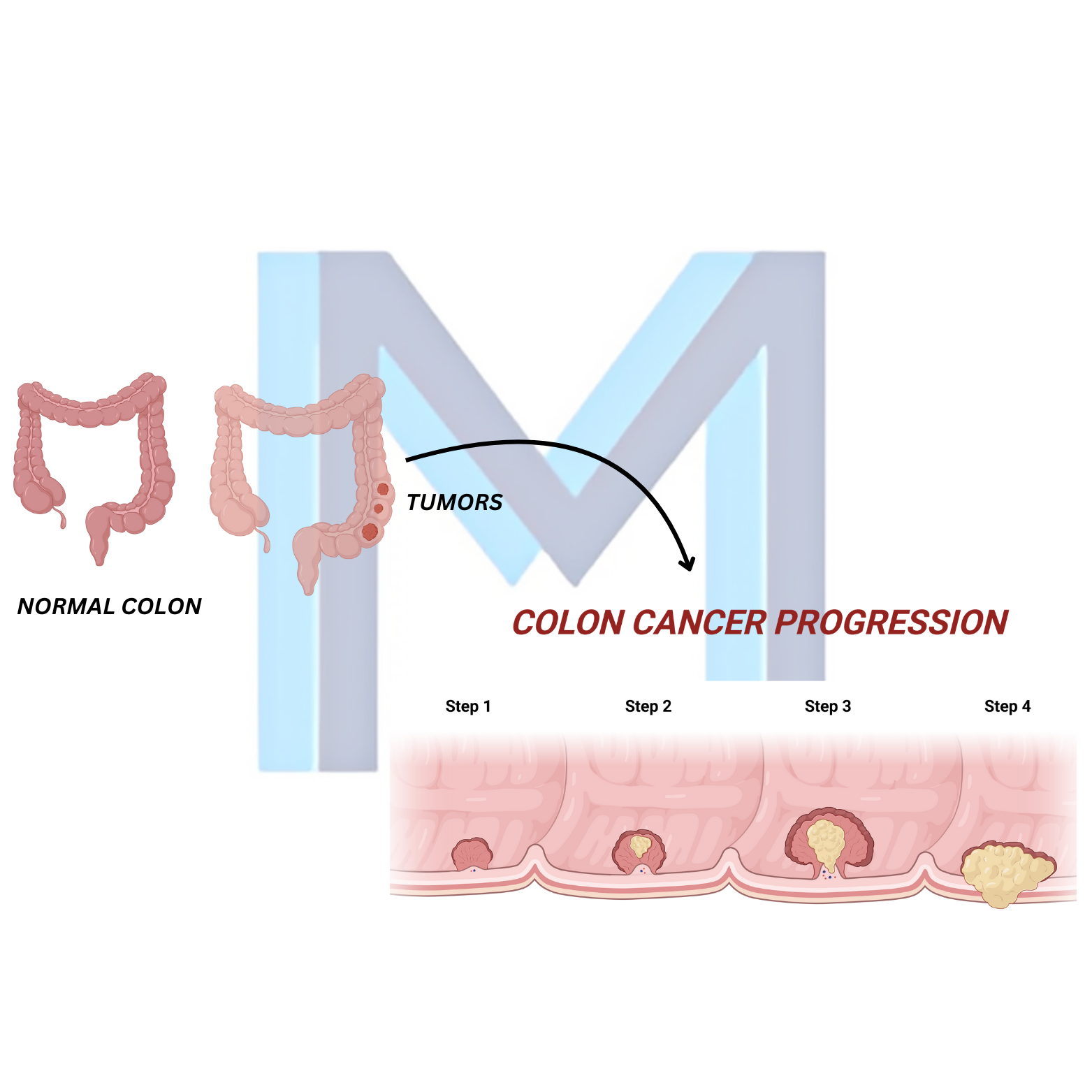
Chromoendoscopy every 1-3 years starting 8 years after diagnosis due to elevated colorectal cancer risk, particularly with pancolitis and PSC.
Sources: ACG Clinical Guideline: Ulcerative Colitis (Am J Gastroenterol 2019;114:384); AGA Guideline on Moderate-Severe UC (Gastroenterology 2020;158:1450); ECCO UC Guideline 2022 (J Crohns Colitis 2022;16:2)