Pathophysiology
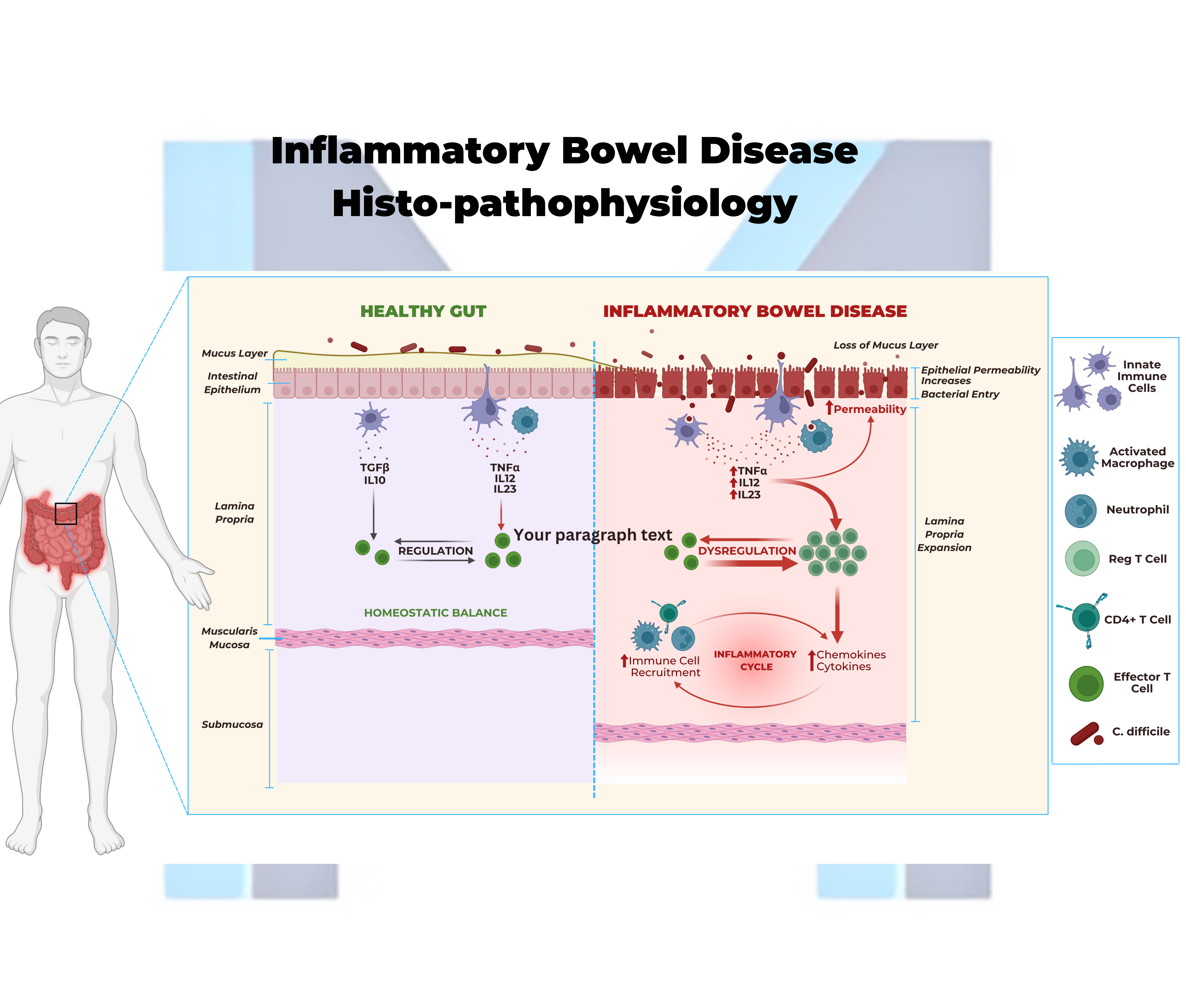
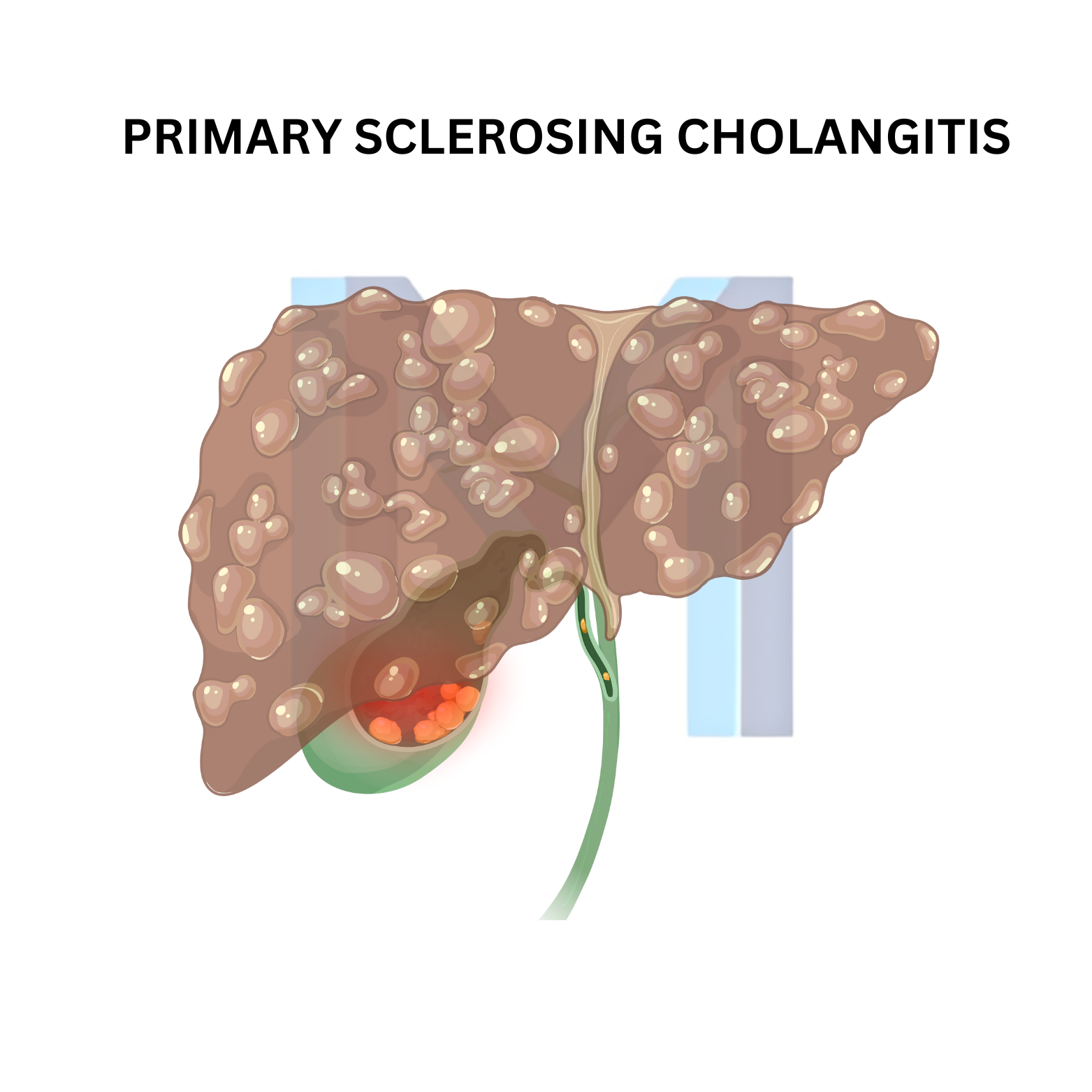
Immune-mediated bile duct injury with concentric 'onion-skin' fibrosis in genetically predisposed hosts (HLA-B8-DR3). 70-80% coexist with IBD (predominantly ulcerative colitis). Progressive strictures cause cholestasis, biliary cirrhosis and portal hypertension.
Sources: AASLD PSC Guideline (Hepatology 2023;77:659); EASL PSC Clinical Practice Guideline (J Hepatol 2022;77:761); NEJM PSC Review (2016;375:1161)
Clinical presentation
Fatigue, pruritus, right-upper-quadrant discomfort, jaundice; recurrent bacterial cholangitis (fever, rigors, jaundice). Many are asymptomatic and detected via elevated ALP in IBD patients.
Diagnosis
MRCP is the modality of choice: multifocal short strictures with intervening dilatations ('beaded' appearance). p-ANCA positive in ~70%. Liver biopsy shows periductal 'onion-skin' fibrosis but is not routinely required. Exclude IgG4-related cholangitis (serum IgG4).
Management
No disease-modifying therapy; ursodeoxycholic acid may improve labs but high dose (>=28 mg/kg) worsens outcomes and is avoided. Endoscopic dilation of dominant strictures, antibiotics for cholangitis, fat-soluble vitamin supplementation. Colonoscopy at diagnosis then annually (higher colorectal cancer risk if UC-PSC). Liver transplantation for decompensated cirrhosis or intractable pruritus.
Complications
Cholangiocarcinoma (annual CA 19-9 + MRI/MRCP), gallbladder cancer (cholecystectomy for any polyp >=8 mm), colorectal cancer, portal hypertension.