Pathophysiology
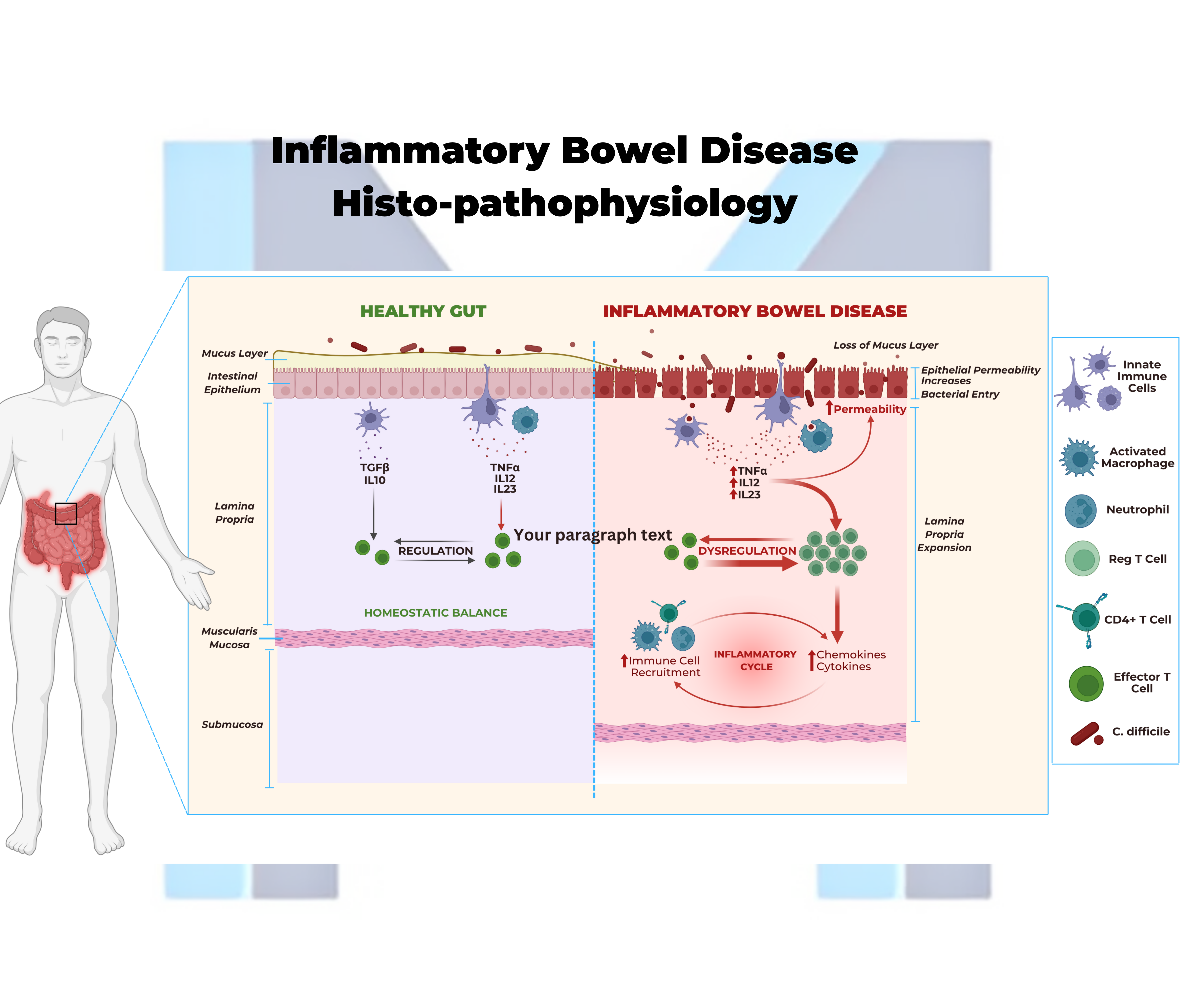
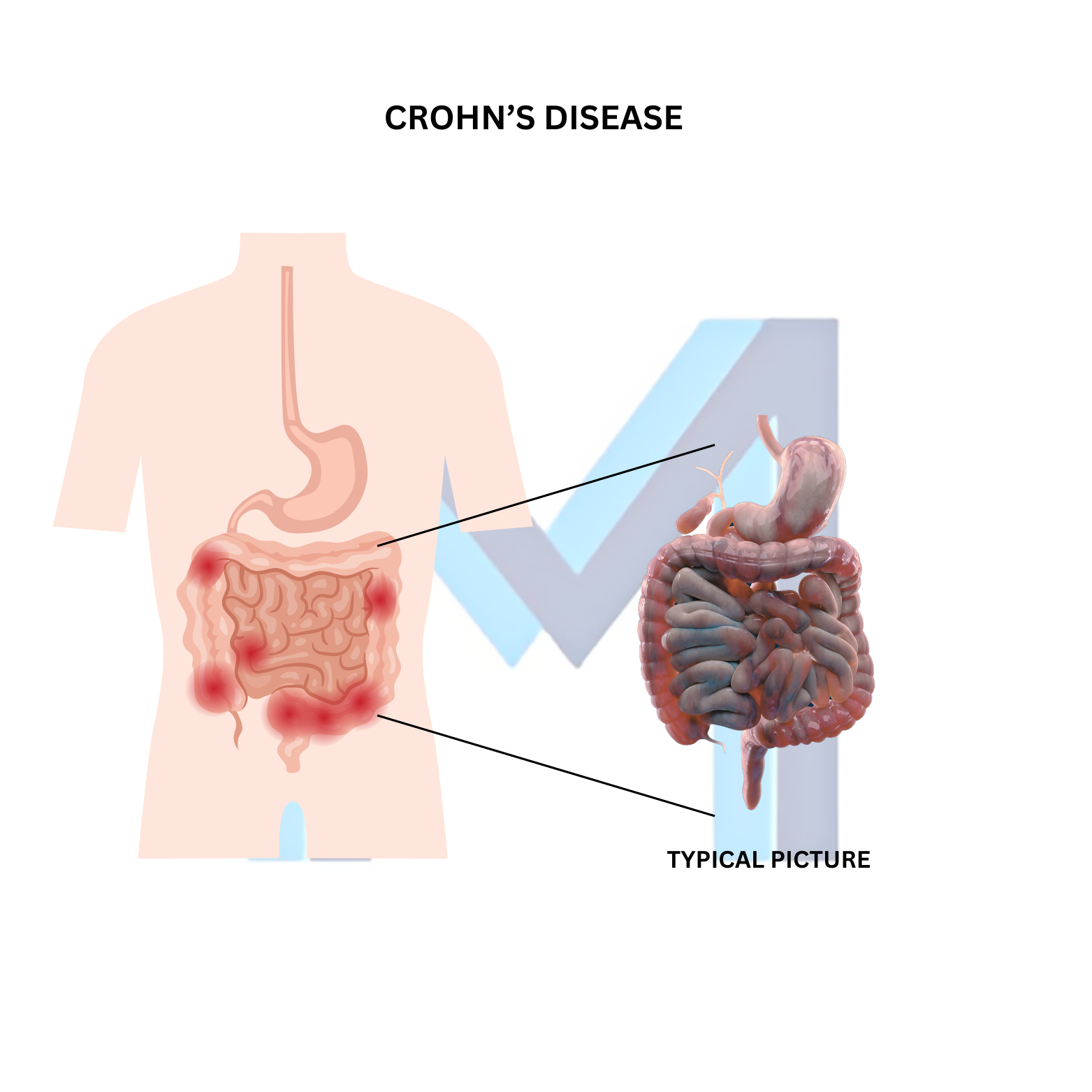
Dysregulated Th1/Th17 immune response to luminal antigens in genetically susceptible hosts (NOD2/CARD15 mutations). Transmural inflammation produces cobblestone mucosa, deep fissures, non-caseating granulomas, fibrosis, strictures and fistulae. Skip lesions distinguish it from ulcerative colitis; any part of the GI tract from mouth to anus can be affected, terminal ileum most commonly.
Sources: ACG Crohn Disease Guideline (Am J Gastroenterol 2018;113:481); ECCO Crohn Guidelines 2020 (J Crohns Colitis 2020;14:4)
Clinical presentation
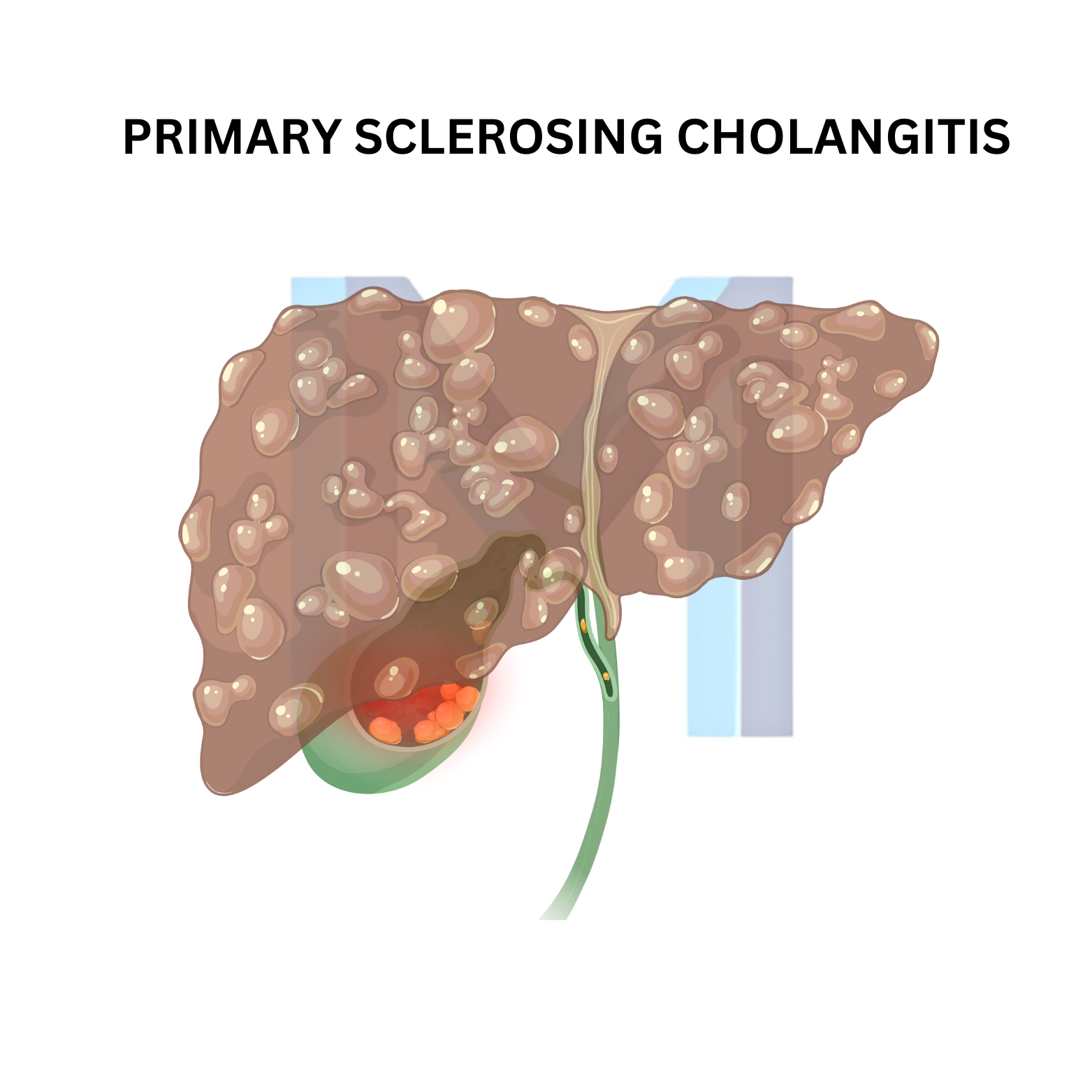
Chronic diarrhoea (often non-bloody), crampy right lower quadrant pain, weight loss, fever, perianal disease (fissures, fistulae, abscesses) and oral aphthous ulcers. Extra-intestinal: erythema nodosum, pyoderma gangrenosum, uveitis/episcleritis, enteropathic arthritis, sacroiliitis, primary sclerosing cholangitis, gallstones and kidney stones (calcium oxalate) from malabsorption.
Sources: ACG Crohn Disease Guideline (Am J Gastroenterol 2018;113:481); ECCO Crohn Guidelines 2020 (J Crohns Colitis 2020;14:4)
Diagnosis
Ileocolonoscopy with biopsies shows skip lesions, cobblestoning, aphthous ulcers, granulomas. Cross-sectional imaging: MR enterography or CT enterography for small bowel disease, strictures and fistulae. Labs: elevated CRP, faecal calprotectin, iron/B12/vitamin D deficiency, anaemia. Exclude infection (stool PCR, TB screen before biologics).
Sources: ACG Crohn Disease Guideline (Am J Gastroenterol 2018;113:481); ECCO Crohn Guidelines 2020 (J Crohns Colitis 2020;14:4)
Management
Induction: corticosteroids (prednisolone or budesonide for ileal disease), exclusive enteral nutrition (paediatrics), biologics (anti-TNF - infliximab, adalimumab; anti-integrin - vedolizumab; anti-IL-12/23 - ustekinumab; JAK inhibitors) for moderate-to-severe disease. Maintenance: immunomodulators (azathioprine, methotrexate) ± biologics; avoid long-term steroids. Surgery for strictures, fistulae, perianal disease, failed medical therapy - not curative; disease recurs at anastomosis.
Sources: ACG Crohn Disease Guideline (Am J Gastroenterol 2018;113:481); ECCO Crohn Guidelines 2020 (J Crohns Colitis 2020;14:4)
Complications & surveillance
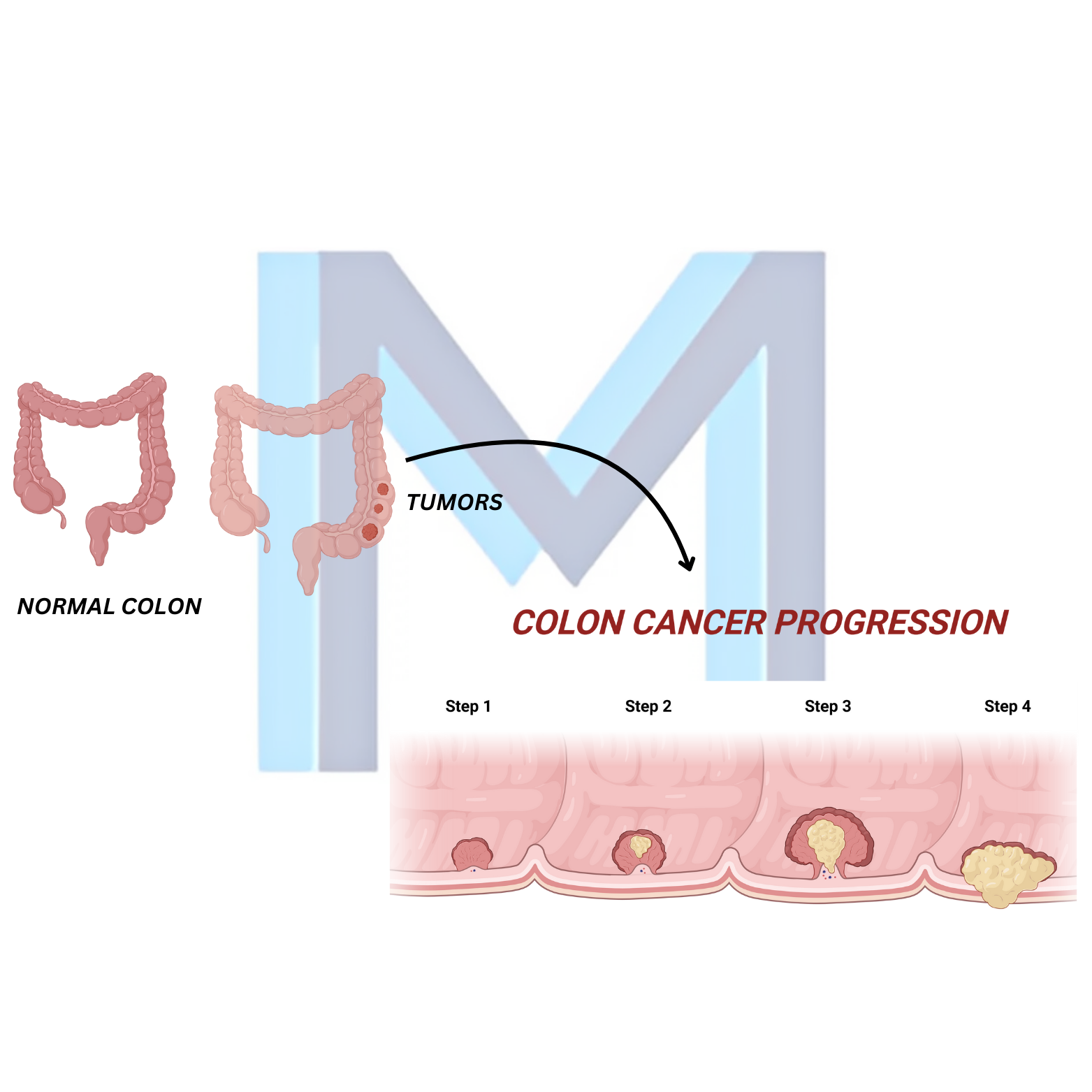
Strictures with obstruction, enteroenteric/enterovesical/perianal fistulae, abscesses, malnutrition, B12 deficiency, osteoporosis. Colon cancer risk in long-standing colonic Crohn - surveillance colonoscopy 8-10 years after diagnosis. Smoking cessation is essential as smoking worsens disease and postoperative recurrence.
Sources: ACG Crohn Disease Guideline (Am J Gastroenterol 2018;113:481); ECCO Crohn Guidelines 2020 (J Crohns Colitis 2020;14:4)