Pathophysiology
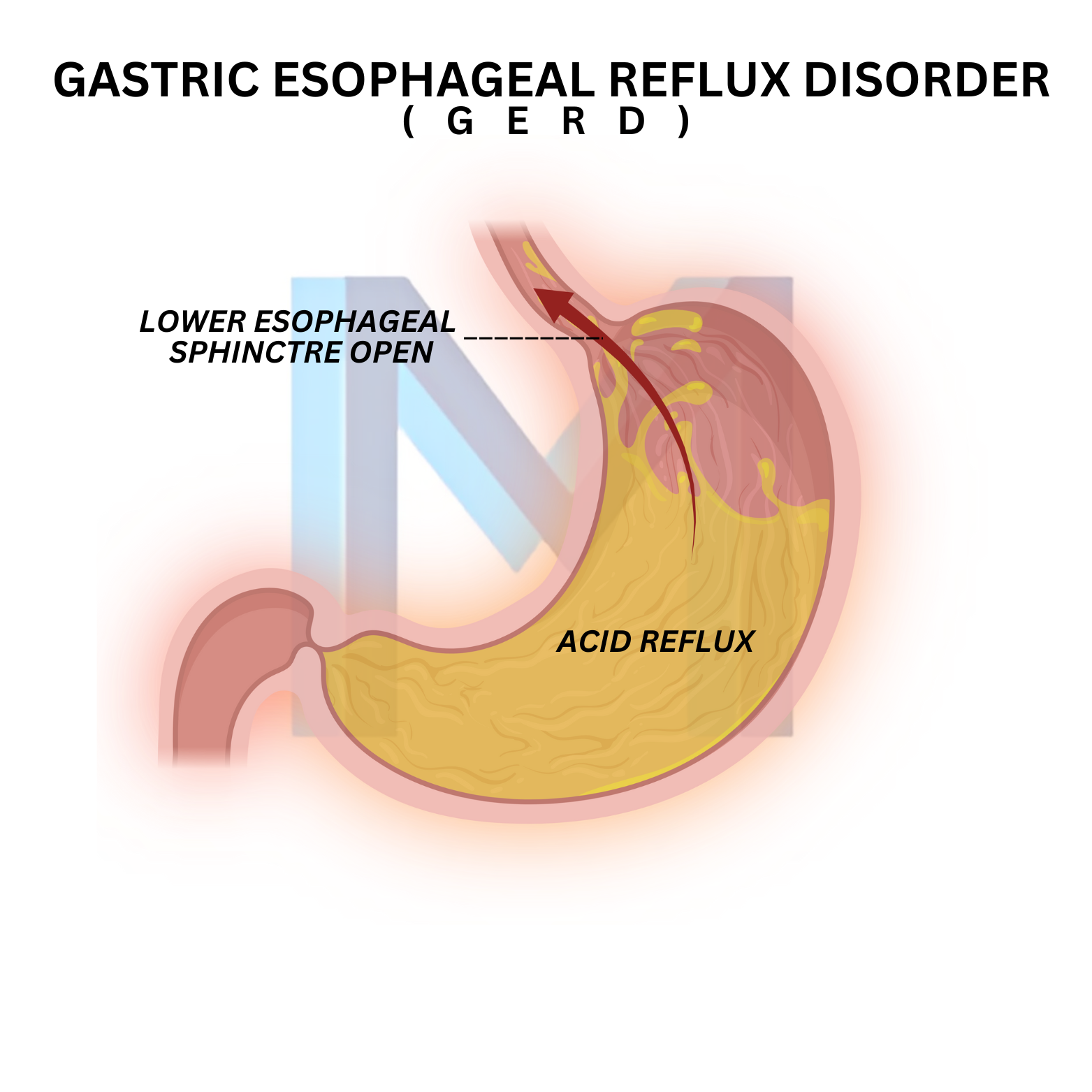
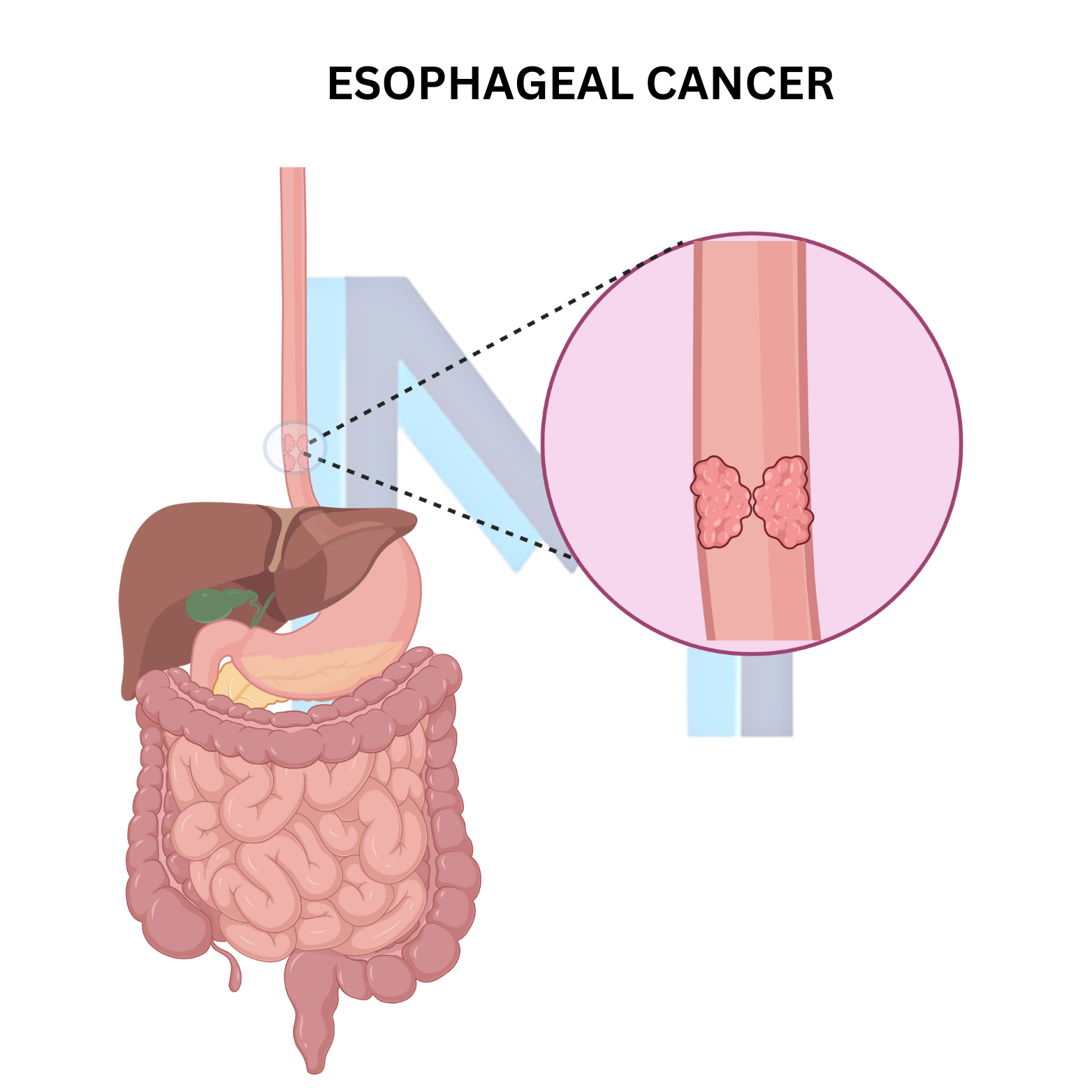
Adenocarcinoma: chronic GERD -> intestinal metaplasia (Barrett) -> dysplasia -> adenocarcinoma; risks include obesity and male sex. Squamous cell: alcohol, tobacco, hot beverages, achalasia, lye ingestion; more common globally.
Sources: NCCN Esophageal & Esophagogastric Junction Cancers (v4.2024); ACG Barrett's Esophagus Guideline (Am J Gastroenterol 2022;117:559); ESMO Oesophageal Cancer Guideline (Ann Oncol 2022;33:992)
Clinical presentation
Progressive dysphagia (solids first, then liquids), odynophagia, weight loss, iron-deficiency anaemia, hoarseness (recurrent laryngeal invasion), and tracheoesophageal fistula in advanced disease.
Diagnosis
Endoscopy with biopsy of all suspicious lesions and Barrett's segments; EUS for T/N staging; PET-CT for M staging; HER2 and PD-L1 testing on adenocarcinoma tissue guides therapy.
Management
T1a: endoscopic mucosal resection +/- radiofrequency ablation. Locally advanced (T2+/N+): neoadjuvant chemoradiation (CROSS regimen: carboplatin/paclitaxel + 41.4 Gy) followed by esophagectomy. Adenocarcinoma: perioperative FLOT alternative. Metastatic HER2+: trastuzumab + chemo; PD-L1 CPS >=5: nivolumab + chemo.
Prevention
Screen chronic GERD patients >=50 with additional risk factors for Barrett's; treat Barrett's with high-dose PPI and endoscopic ablation of dysplasia.