
Oncology

Prostate Cancer

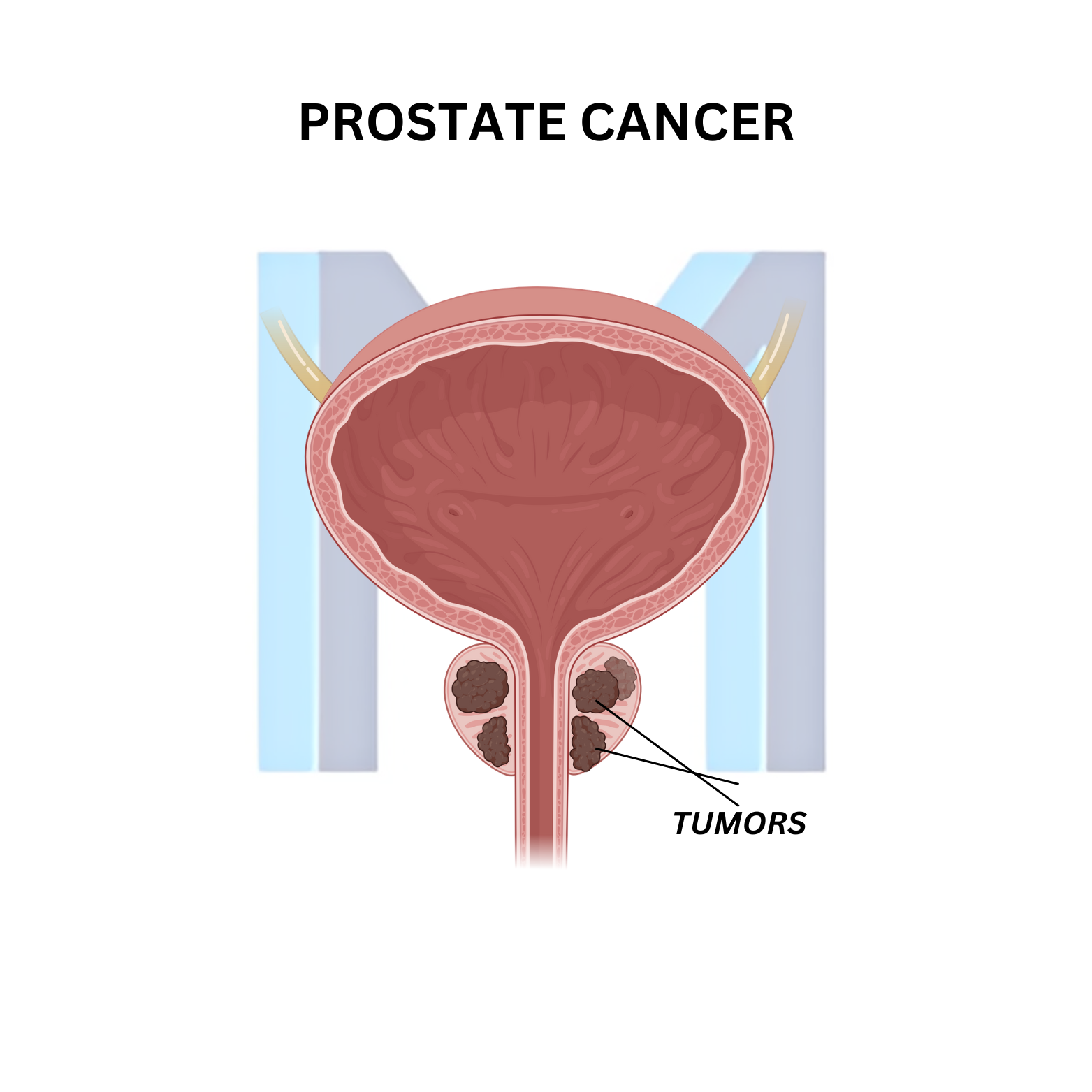
Adenocarcinoma of the prostate - most commonly peripheral zone; second-leading male cancer death cause. Ranges from indolent low-grade disease to aggressive metastatic castrate-resistant cancer.

Last reviewed 13 Jun 2026 - MedicoMedics editorial team

Prostate adenocarcinoma involving the peripheral zone

Pathophysiology

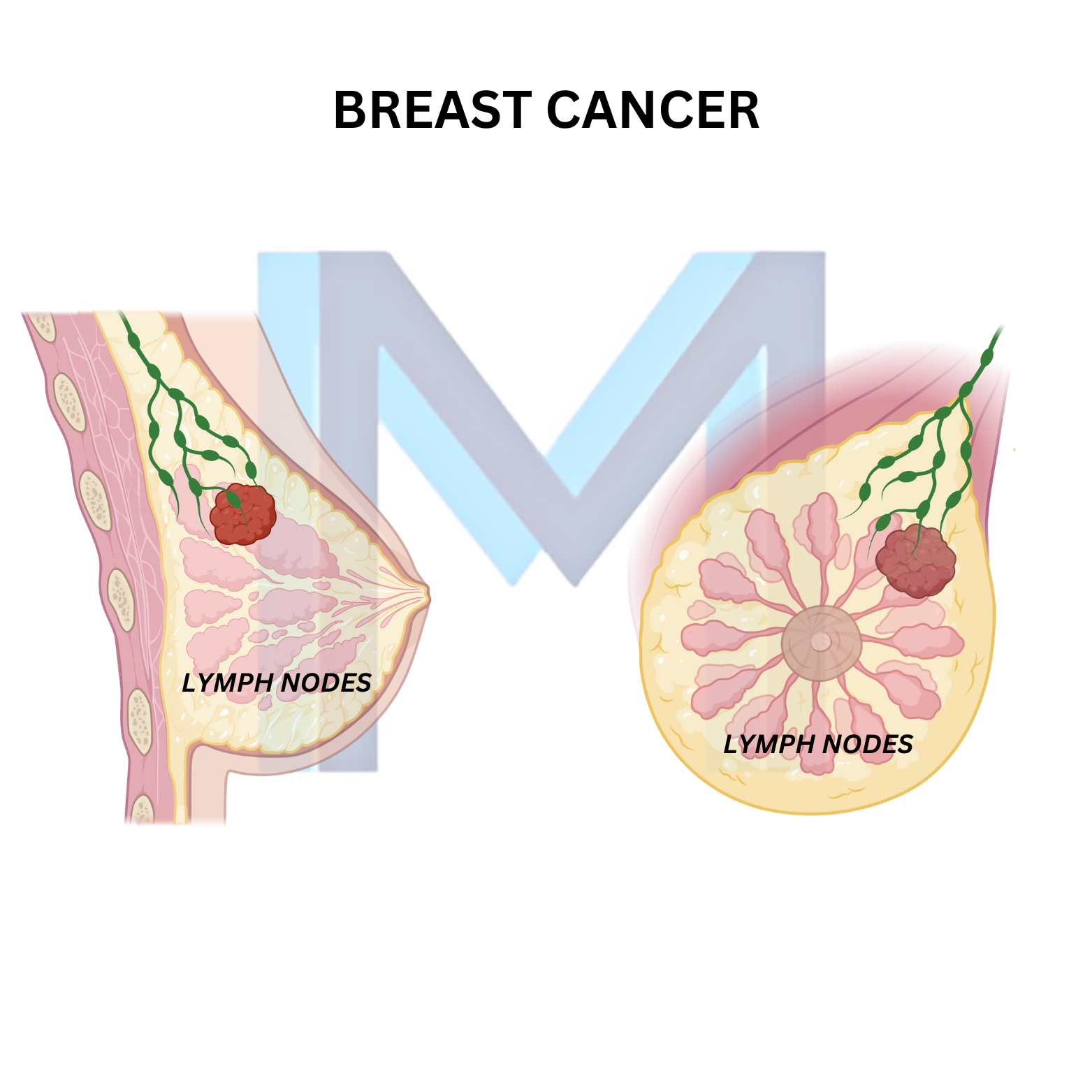
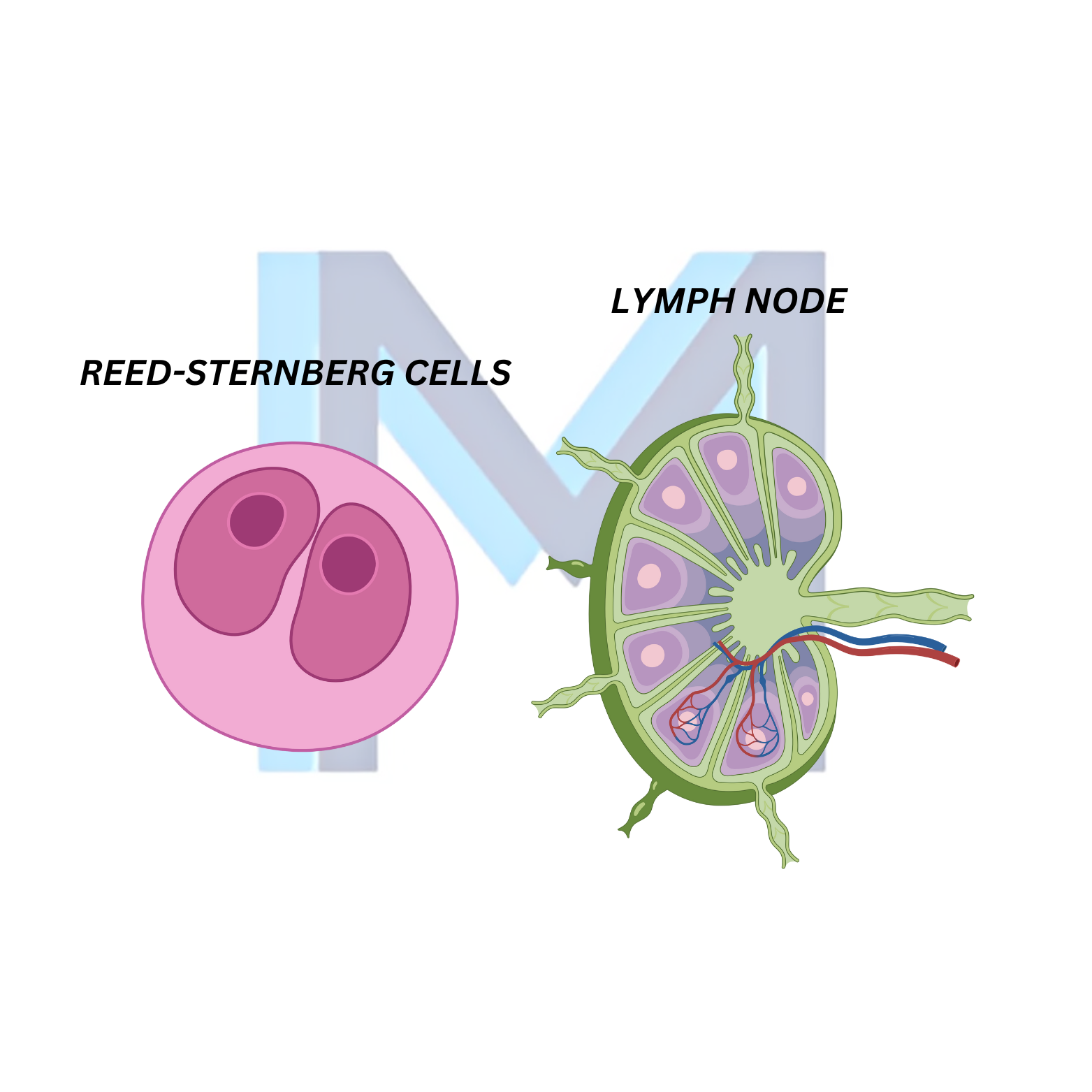
Androgen receptor signalling drives proliferation. Risk: age, African ancestry, family history, BRCA2/HOXB13 mutations. Metastasises preferentially to bone (osteoblastic lesions) and pelvic lymph nodes.

Sources: NCCN Guidelines: Prostate Cancer (v2.2025); EAU Prostate Cancer Guidelines (2024); ASCO Guideline on Metastatic CRPC (J Clin Oncol 2023;41:3652)
Clinical presentation

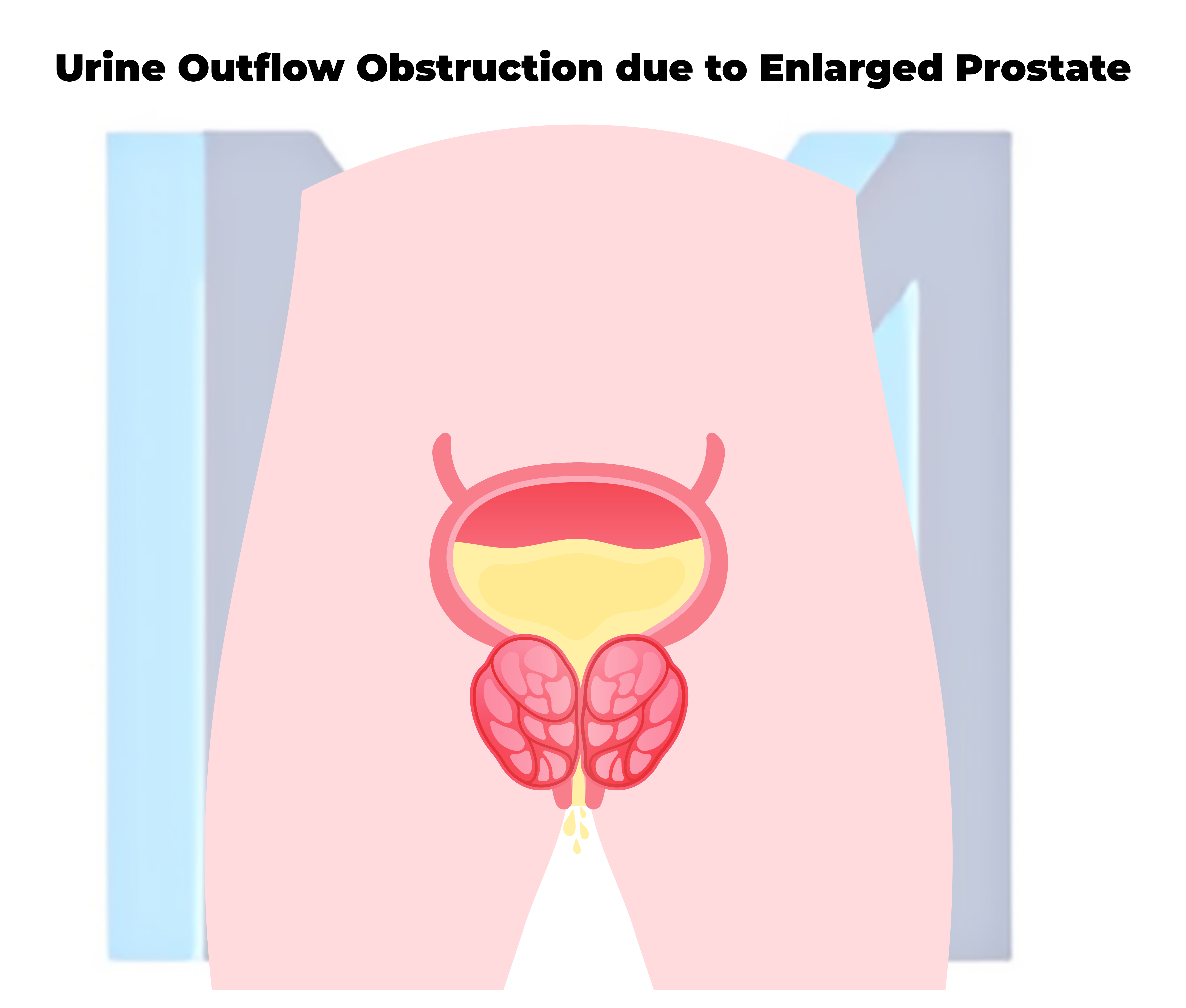
Early disease is asymptomatic; detected via PSA testing or abnormal DRE. Advanced disease: bone pain, obstructive urinary symptoms, weight loss, spinal cord compression.

Sources: NCCN Guidelines: Prostate Cancer (v2.2025); EAU Prostate Cancer Guidelines (2024); ASCO Guideline on Metastatic CRPC (J Clin Oncol 2023;41:3652)
Diagnosis

PSA and DRE screening after shared decision-making (USPSTF 55-69 y). Multiparametric prostate MRI before biopsy improves detection of clinically significant cancer. Transperineal/transrectal biopsy with Gleason grading; genomic tests (Decipher, Oncotype) refine risk. Staging: bone scan and CT (or PSMA PET) if intermediate-high risk.

Sources: NCCN Guidelines: Prostate Cancer (v2.2025); EAU Prostate Cancer Guidelines (2024); ASCO Guideline on Metastatic CRPC (J Clin Oncol 2023;41:3652)
Management

Low-risk: active surveillance. Localised intermediate/high-risk: radical prostatectomy or radiotherapy (external beam + brachytherapy) +/- androgen deprivation. Metastatic hormone-sensitive: ADT plus abiraterone, enzalutamide, apalutamide or docetaxel triplet. Castrate-resistant: second-generation AR inhibitors, PARP inhibitors for BRCA-mutant, PSMA-radioligand (177Lu-PSMA), Ra-223 for bone-dominant disease.

Sources: NCCN Guidelines: Prostate Cancer (v2.2025); EAU Prostate Cancer Guidelines (2024); ASCO Guideline on Metastatic CRPC (J Clin Oncol 2023;41:3652)
Sample USMLE-style MCQs

Try 5 questions on this topic. Practice hundreds more free with a trial.

Question 1

Most common site of metastasis?

Question 2

Which zone most commonly harbours prostate carcinoma?

Question 3

Best imaging BEFORE biopsy in suspected prostate cancer?

Question 4

Which agent is a next-generation androgen receptor inhibitor?

Question 5

A BRCA2-mutant metastatic castrate-resistant prostate cancer patient may benefit from?

References

Primary guidelines and peer-reviewed sources used for this entry. Reviewed 13 Jun 2026 by MedicoMedics editorial team.

  1. NCCN Guidelines: Prostate Cancer (v2.2025)
  2. EAU Prostate Cancer Guidelines (2024)
  3. ASCO Guideline on Metastatic CRPC (J Clin Oncol 2023;41:3652)
Frequently asked

What is a suspicious PSA value?

There is no strict cutoff; velocity, density and age-specific ranges matter. Rising PSA or PSA >4 ng/mL prompts mpMRI and possible biopsy.

When is active surveillance appropriate?

Low-risk disease: Gleason 6, PSA <10, cT1-2a, low percentage cores involved - avoids over-treatment while monitoring for progression.

Which agents work in castrate-resistant disease?

Enzalutamide, abiraterone, docetaxel, cabazitaxel, PARP inhibitors (olaparib for BRCA), sipuleucel-T, and 177Lu-PSMA radioligand therapy.

Why check BRCA status?

Guides PARP inhibitor eligibility, informs family cascade testing and may indicate more aggressive disease.

Related conditions

High-yield topics students commonly study alongside Prostate Cancer.

More in Oncology

Ready to master this topic?

Get the full lecture, 500+ MCQs, and AI explanations with a 7-day free trial.