Pathophysiology
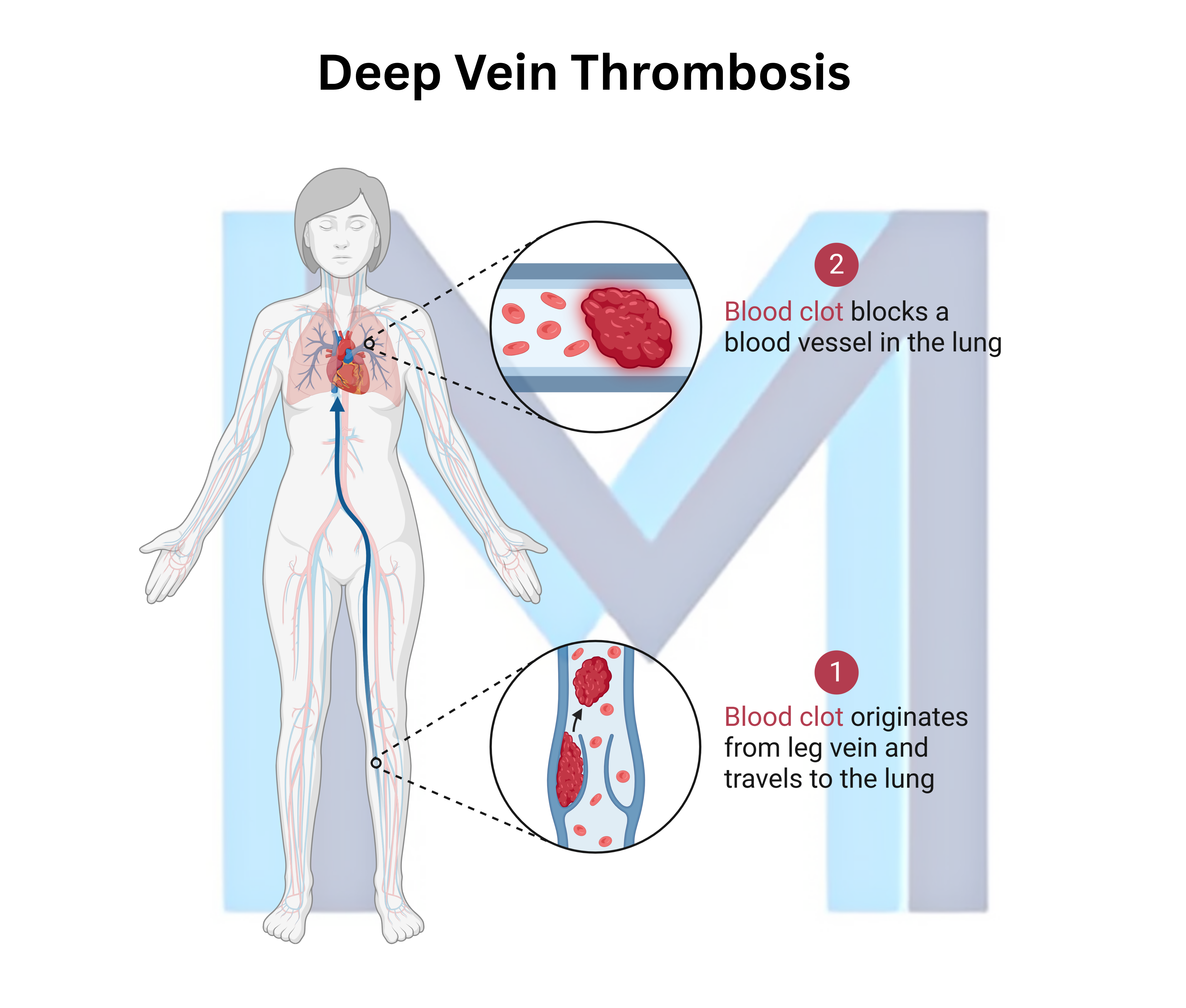
Virchow triad: venous stasis (immobility, prolonged travel, surgery), endothelial injury (trauma, catheter) and hypercoagulability (malignancy, oestrogen, pregnancy, factor V Leiden, prothrombin G20210A, protein C/S or antithrombin deficiency, antiphospholipid syndrome). Thrombus most commonly forms in the calf then propagates proximally.
Sources: CHEST 2021 Antithrombotic Therapy for VTE (CHEST 2021;160:e545); ASH 2020 Guidelines on VTE (Blood Adv 2020;4:4693)
Clinical presentation
Unilateral leg swelling, calf pain, warmth, erythema, palpable cord along the vein, positive Homans sign (insensitive). Massive iliofemoral DVT: phlegmasia cerulea dolens (blue, painful, compromised limb). Silent presentation is common in postoperative and hospitalised patients.
Sources: CHEST 2021 Antithrombotic Therapy for VTE (CHEST 2021;160:e545); ASH 2020 Guidelines on VTE (Blood Adv 2020;4:4693)
Diagnosis
Use Wells score. Low pretest probability + negative D-dimer excludes DVT. Otherwise, compression ultrasound with Doppler is first-line - non-compressible vein is diagnostic. Repeat ultrasound at 5-7 days if initially negative but suspicion remains. CT venography or MR venography reserved for pelvic/IVC assessment (e.g. May-Thurner syndrome).
Sources: CHEST 2021 Antithrombotic Therapy for VTE (CHEST 2021;160:e545); ASH 2020 Guidelines on VTE (Blood Adv 2020;4:4693)
Management
Immediate anticoagulation with DOAC (rivaroxaban or apixaban with loading regimen) or LMWH bridging to warfarin (INR 2-3). Cancer-associated DVT: DOAC (apixaban, edoxaban) or LMWH. Minimum 3 months for provoked, longer or indefinite for unprovoked or recurrent. Compression stockings for symptom relief. Thrombolysis (catheter-directed) or thrombectomy for phlegmasia or extensive iliofemoral DVT.
Sources: CHEST 2021 Antithrombotic Therapy for VTE (CHEST 2021;160:e545); ASH 2020 Guidelines on VTE (Blood Adv 2020;4:4693)
Prevention & complications
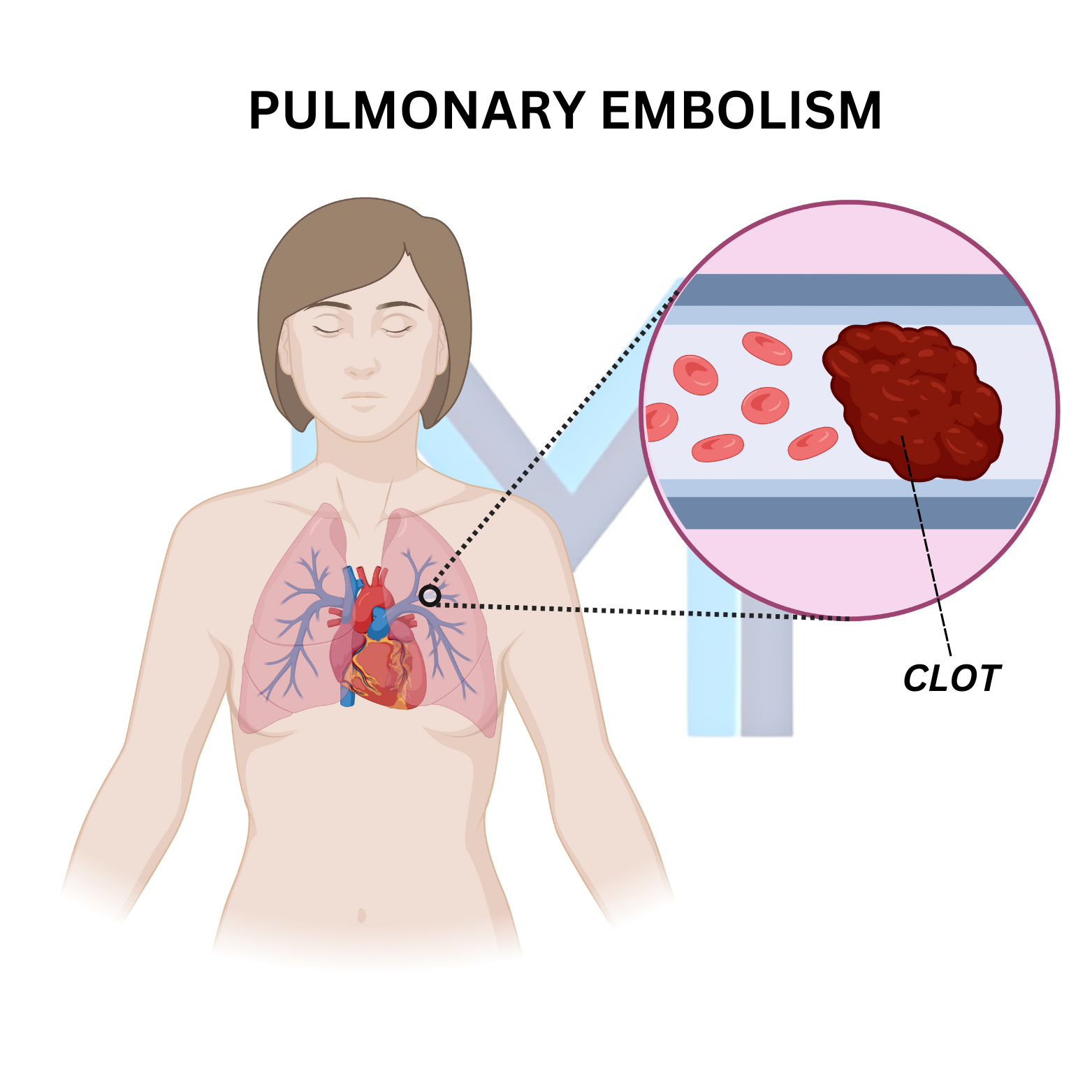
VTE prophylaxis (mechanical + LMWH or DOAC) for hospitalised, surgical and postpartum patients. Complications: pulmonary embolism, post-thrombotic syndrome (chronic swelling, pain, ulceration), chronic thromboembolic pulmonary hypertension. Consider thrombophilia workup if unprovoked in young patient, strong family history or recurrent VTE.
Sources: CHEST 2021 Antithrombotic Therapy for VTE (CHEST 2021;160:e545); ASH 2020 Guidelines on VTE (Blood Adv 2020;4:4693)