Cardiology

Aortic Stenosis

Progressive calcific narrowing of the aortic valve causing left ventricular pressure overload, angina, syncope and heart failure. Leading valvular disease in the elderly.

Last reviewed 2 Jun 2026 - MedicoMedics editorial team

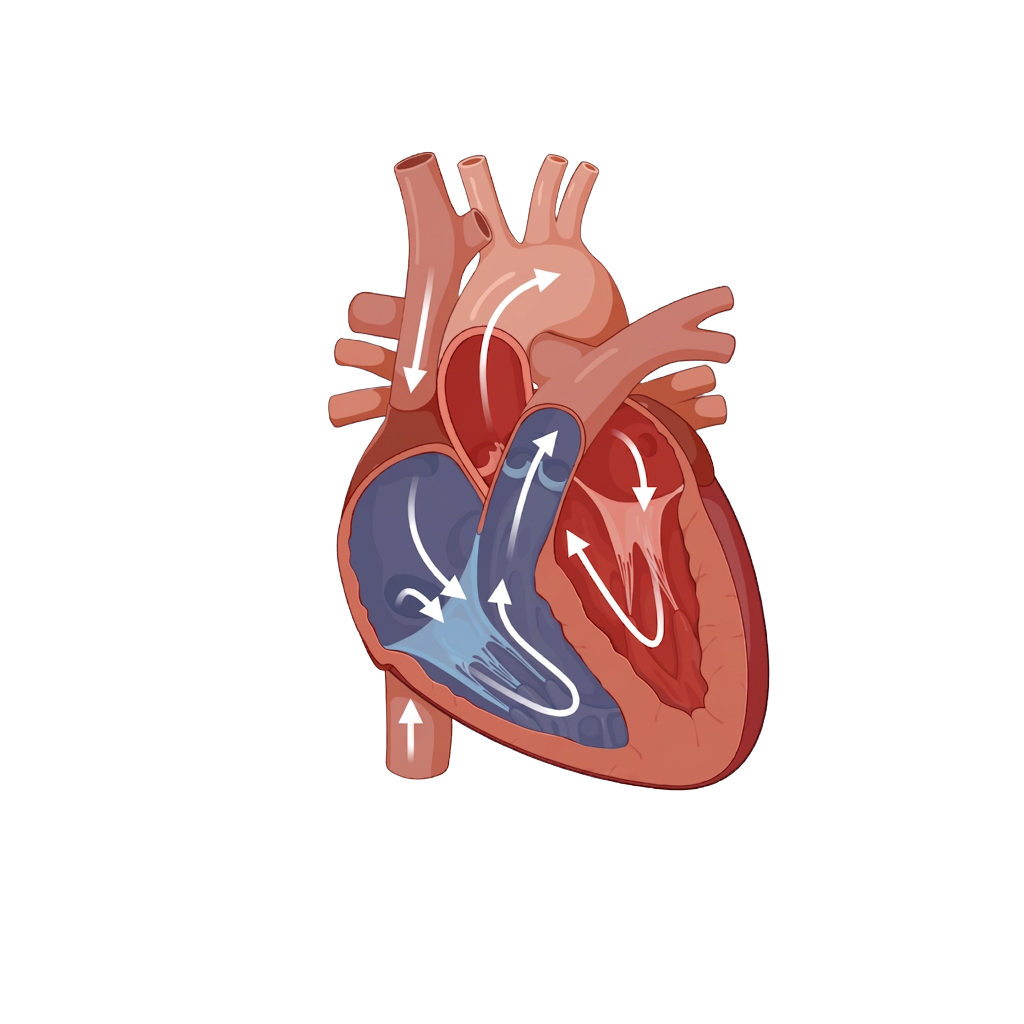
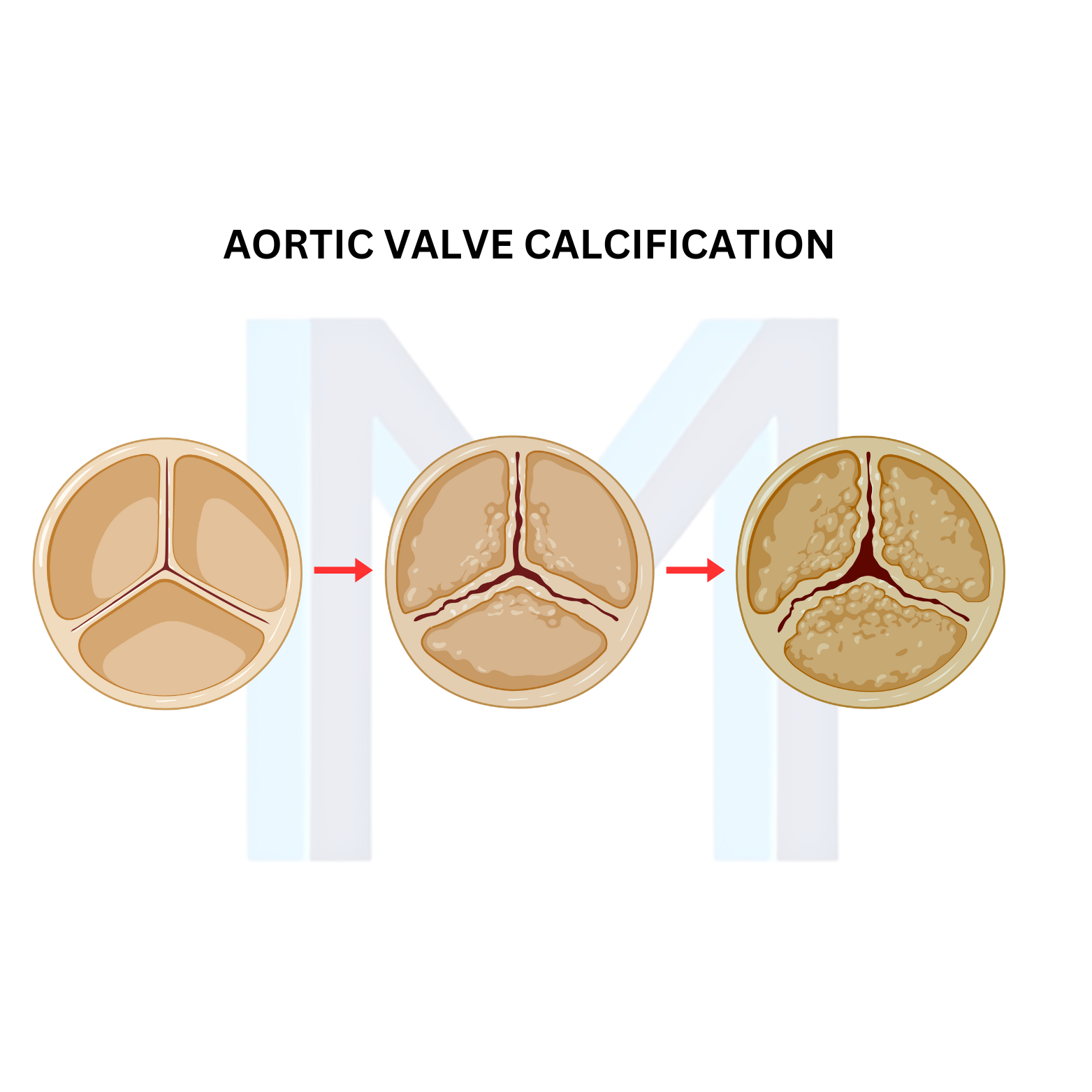
Calcified aortic valve stenosis

Pathophysiology

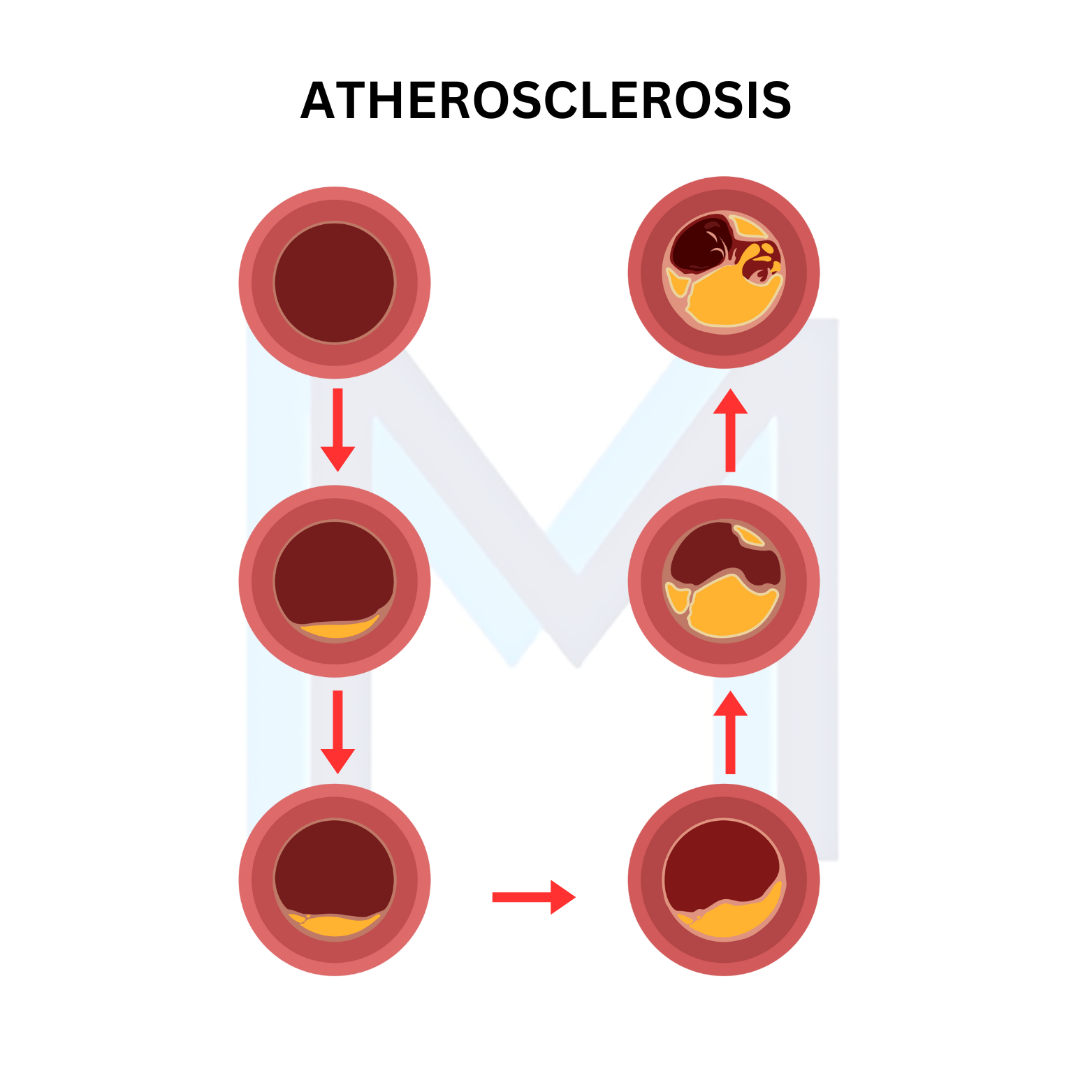
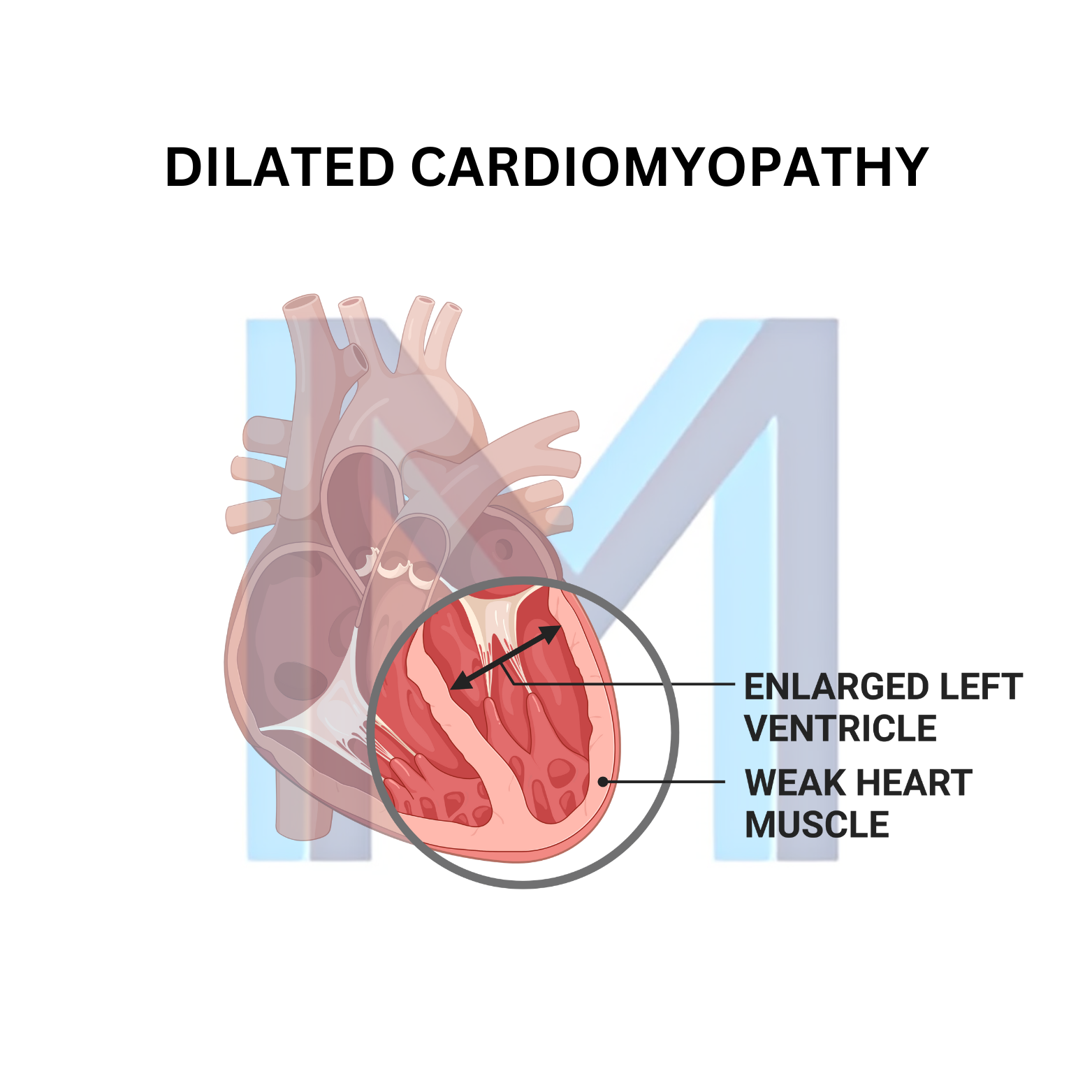
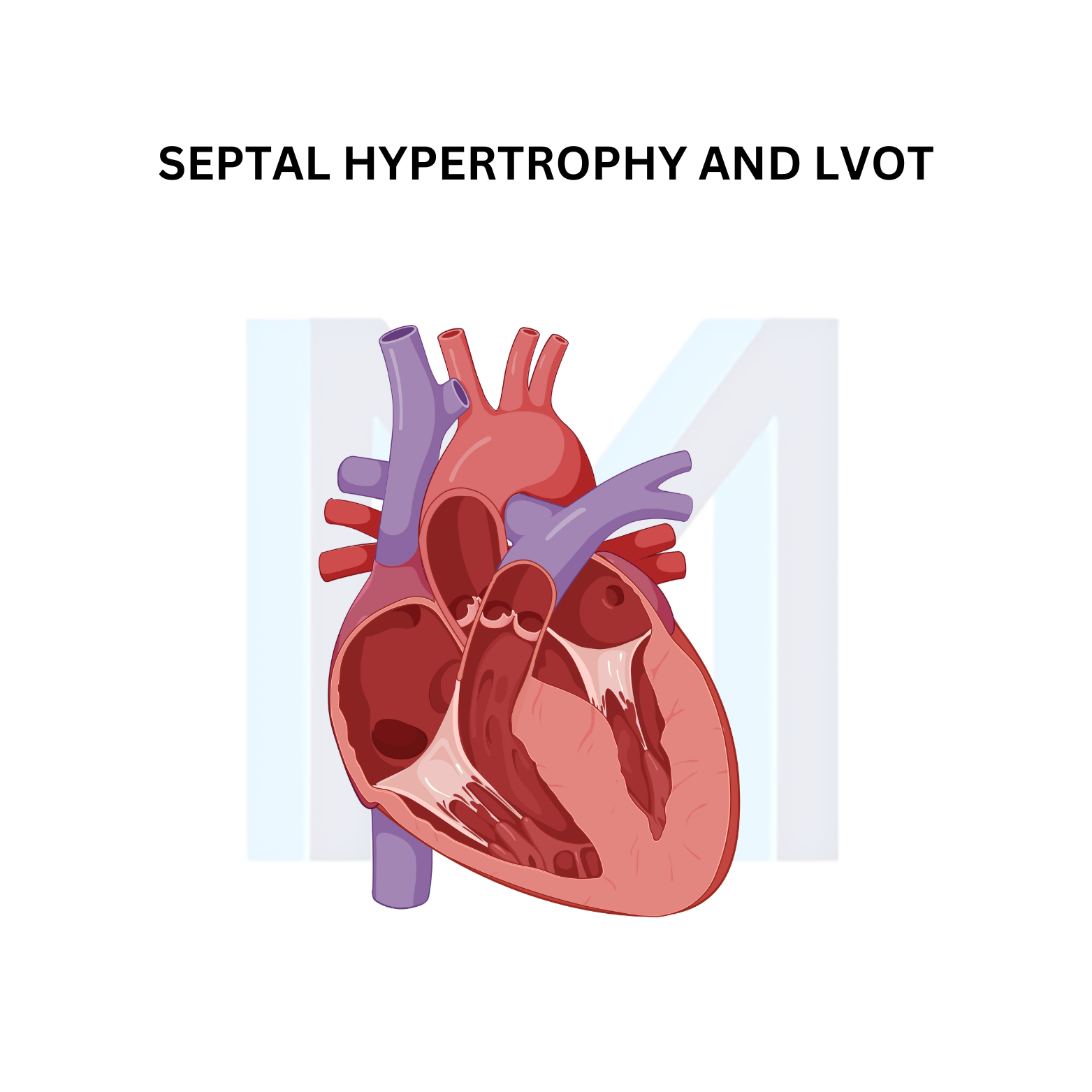
Endothelial injury and lipid infiltration on the valve leaflets trigger inflammation, osteogenic differentiation of valvular interstitial cells and calcium deposition. Reduced effective orifice area increases LV afterload -> concentric hypertrophy -> diastolic dysfunction.

Sources: ACC/AHA 2020 Valvular Heart Disease Guideline (Circulation 2021;143:e72); ESC/EACTS 2021 Valvular Heart Disease Guidelines (Eur Heart J 2022;43:561)
Clinical presentation

Classic triad: exertional angina, syncope, dyspnoea/heart failure. Crescendo-decrescendo systolic ejection murmur at right upper sternal border radiating to carotids; delayed and diminished carotid upstroke (pulsus parvus et tardus); soft/absent S2.

Sources: ACC/AHA 2020 Valvular Heart Disease Guideline (Circulation 2021;143:e72); ESC/EACTS 2021 Valvular Heart Disease Guidelines (Eur Heart J 2022;43:561)
Diagnosis

Transthoracic echocardiography quantifies aortic-jet velocity, mean gradient and valve area. Severe AS: peak velocity >4 m/s, mean gradient >40 mmHg, area <1.0 cm^2. CT for valve calcium score and TAVI planning; coronary angiography pre-procedure.

Sources: ACC/AHA 2020 Valvular Heart Disease Guideline (Circulation 2021;143:e72); ESC/EACTS 2021 Valvular Heart Disease Guidelines (Eur Heart J 2022;43:561)
Management

Symptomatic severe AS mandates valve replacement - TAVI now first-line for intermediate/high-risk and increasingly for low-risk elderly; SAVR for younger patients, bicuspid morphology with aortopathy, or unfavourable TAVI anatomy. Avoid vasodilators in severe AS.

Sources: ACC/AHA 2020 Valvular Heart Disease Guideline (Circulation 2021;143:e72); ESC/EACTS 2021 Valvular Heart Disease Guidelines (Eur Heart J 2022;43:561)
Sample USMLE-style MCQs

Try 5 questions on this topic. Practice hundreds more free with a trial.

Question 1

Which murmur characteristic is typical of severe AS?

Question 2

Peak aortic jet velocity 4.5 m/s and mean gradient 55 mmHg indicates?

Question 3

A 78-year-old with symptomatic severe AS and intermediate surgical risk is best treated with?

Question 4

Average survival after syncope onset in untreated severe AS?

Question 5

Which physical finding suggests severe AS?

References

Primary guidelines and peer-reviewed sources used for this entry. Reviewed 2 Jun 2026 by MedicoMedics editorial team.

  1. ACC/AHA 2020 Valvular Heart Disease Guideline (Circulation 2021;143:e72)
  2. ESC/EACTS 2021 Valvular Heart Disease Guidelines (Eur Heart J 2022;43:561)
Frequently asked

Why is nitroglycerin risky in severe AS?

Preload reduction in a fixed cardiac output state can precipitate profound hypotension and syncope.

What survival is expected after symptom onset without valve replacement?

Angina 5 y, syncope 3 y, heart failure 2 y (Ross-Braunwald data).

Which finding suggests bicuspid aortic valve?

Ejection click, AS or AR in a patient <65 years, and associated dilated ascending aorta.

When is balloon aortic valvuloplasty useful?

Bridge to definitive TAVI/SAVR in shock or before urgent non-cardiac surgery - not a durable therapy.

Related conditions

High-yield topics students commonly study alongside Aortic Stenosis.

More in Cardiology

Ready to master this topic?

Get the full lecture, 500+ MCQs, and AI explanations with a 7-day free trial.