Infectious Disease

Sepsis and Septic Shock

Life-threatening organ dysfunction from dysregulated host response to infection; time-sensitive resuscitation and source control improve survival.

Last reviewed 4 Jul 2026 - MedicoMedics editorial team

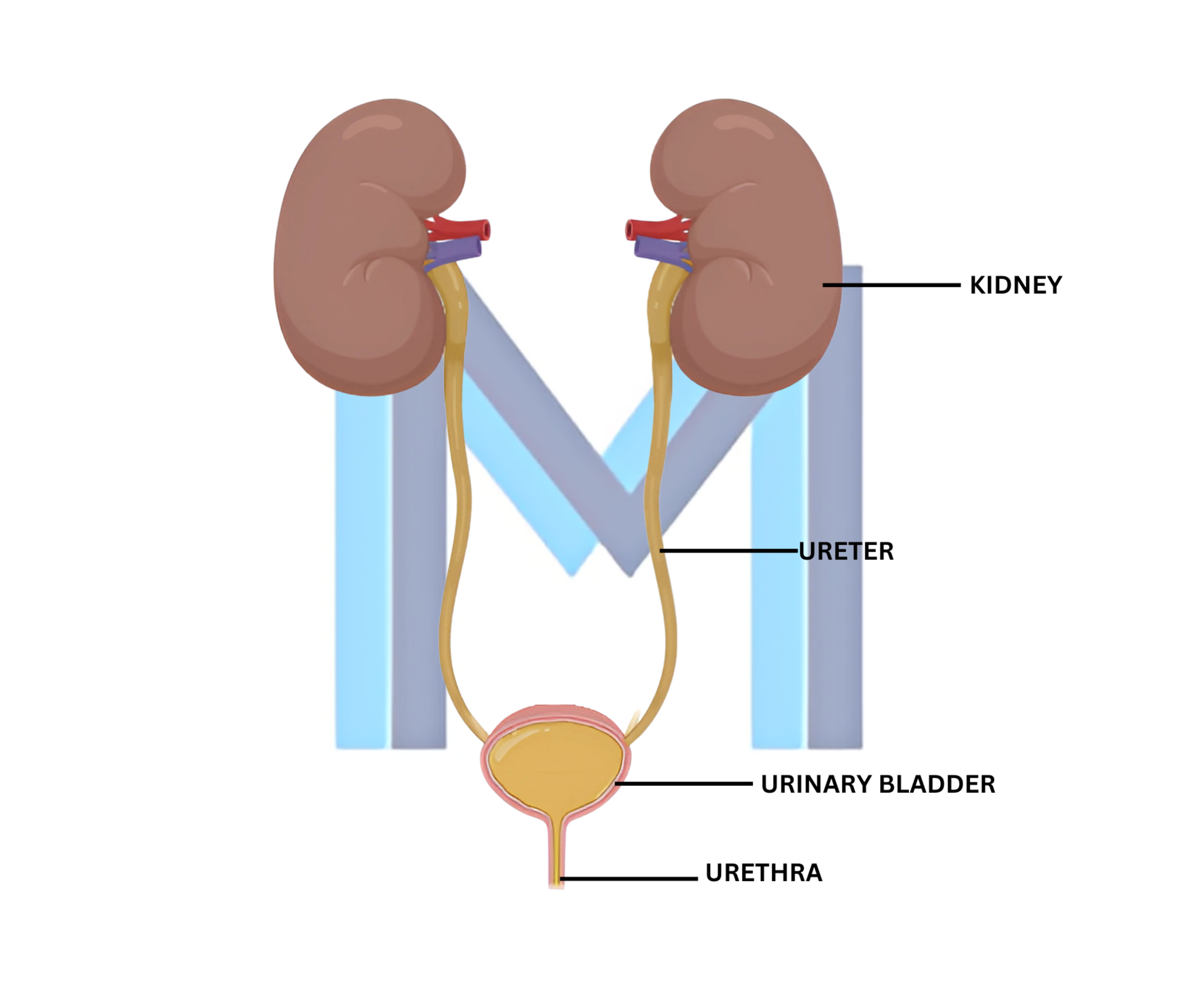
Sepsis multi-organ dysfunction pathway

Pathophysiology

PAMP/DAMP activation, cytokine storm, endothelial dysfunction, microcirculatory failure and mitochondrial dysfunction.

Sources: SSC 2021 (Crit Care Med 2021;49:e1063); SMART (NEJM 2018;378:829)

Presentation

Fever/hypothermia, tachycardia, tachypnoea, altered mentation, hypotension, oliguria, mottled skin. qSOFA >=2 or SOFA rise >=2.

Diagnosis

Cultures before antibiotics; lactate; source imaging. Surviving Sepsis Campaign 2021 defines 1-h bundle.

Management

Broad-spectrum antibiotics within 1 h of septic shock; source control; balanced crystalloid 30 mL/kg for hypotension/lactate >=4; norepinephrine first vasopressor; hydrocortisone if refractory. Consider vasopressin, angiotensin II. Reassess frequently.
Sample USMLE-style MCQs

Try 5 questions on this topic. Practice hundreds more free with a trial.

Question 1

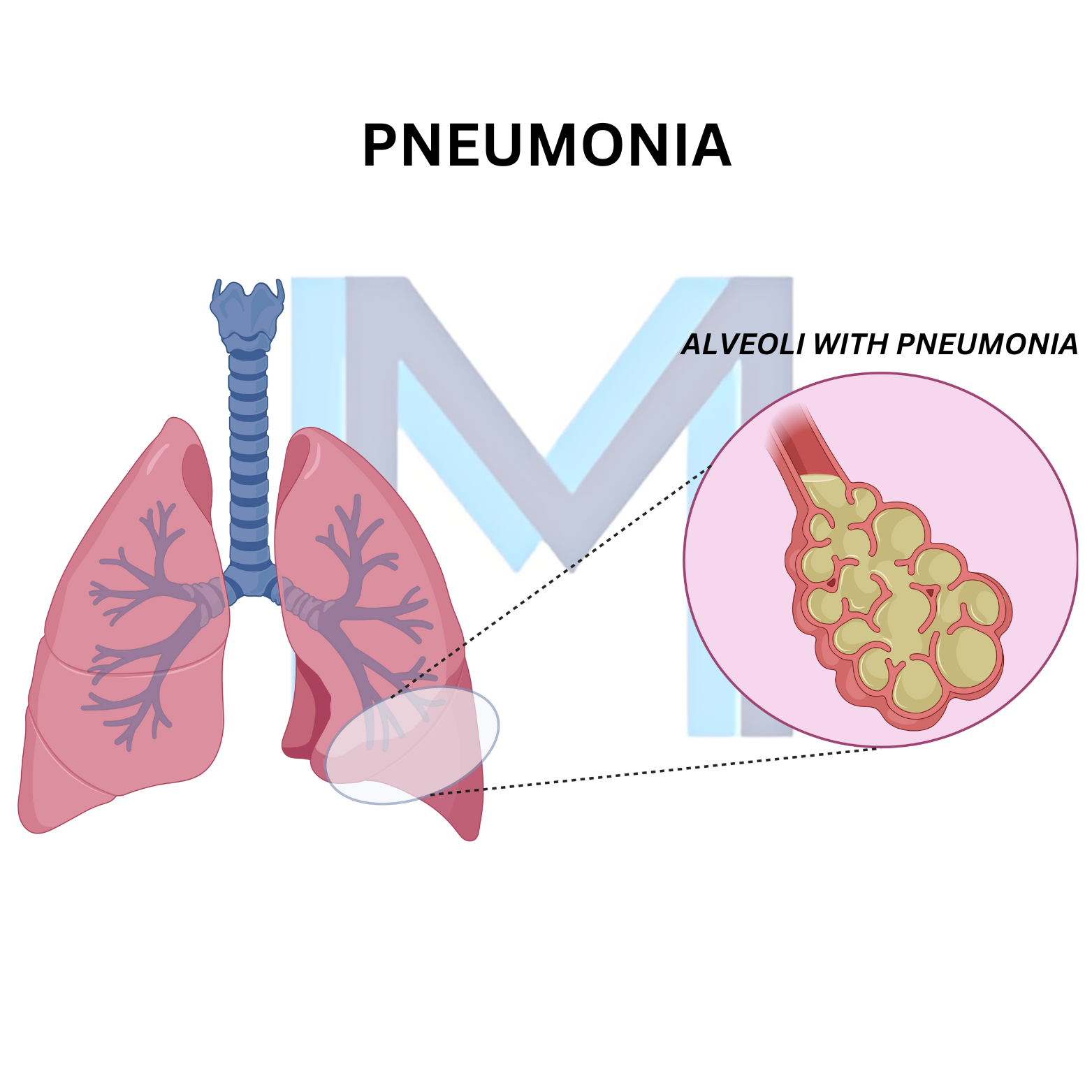
A patient with pneumonia has MAP 60 after 30 mL/kg fluid, lactate 5. Next step?

Question 2

Which fluid is preferred?

Question 3

Add-on vasopressor to reduce norepinephrine dose?

Question 4

Time-to-antibiotic goal in septic shock?

Question 5

Angiotensin II role?

References

Primary guidelines and peer-reviewed sources used for this entry. Reviewed 4 Jul 2026 by MedicoMedics editorial team.

  1. SSC 2021 (Crit Care Med 2021;49:e1063)
  2. SMART (NEJM 2018;378:829)

Frequently asked

First vasopressor?

Norepinephrine.

Steroids?

Hydrocortisone 200 mg/d in norepinephrine-dependent shock.

Fluid choice?

Balanced crystalloid over saline (SMART, PLUS).

Related conditions

High-yield topics students commonly study alongside Sepsis and Septic Shock.

More in Infectious Disease

Ready to master this topic?

Get the full lecture, 500+ MCQs, and AI explanations with a 7-day free trial.