Pulmonology

Community-Acquired Pneumonia

Acute infection of the lung parenchyma acquired outside hospital. Streptococcus pneumoniae is the most common cause. CURB-65 or PSI guides site of care.

Last reviewed 12 Jul 2026 - MedicoMedics editorial team

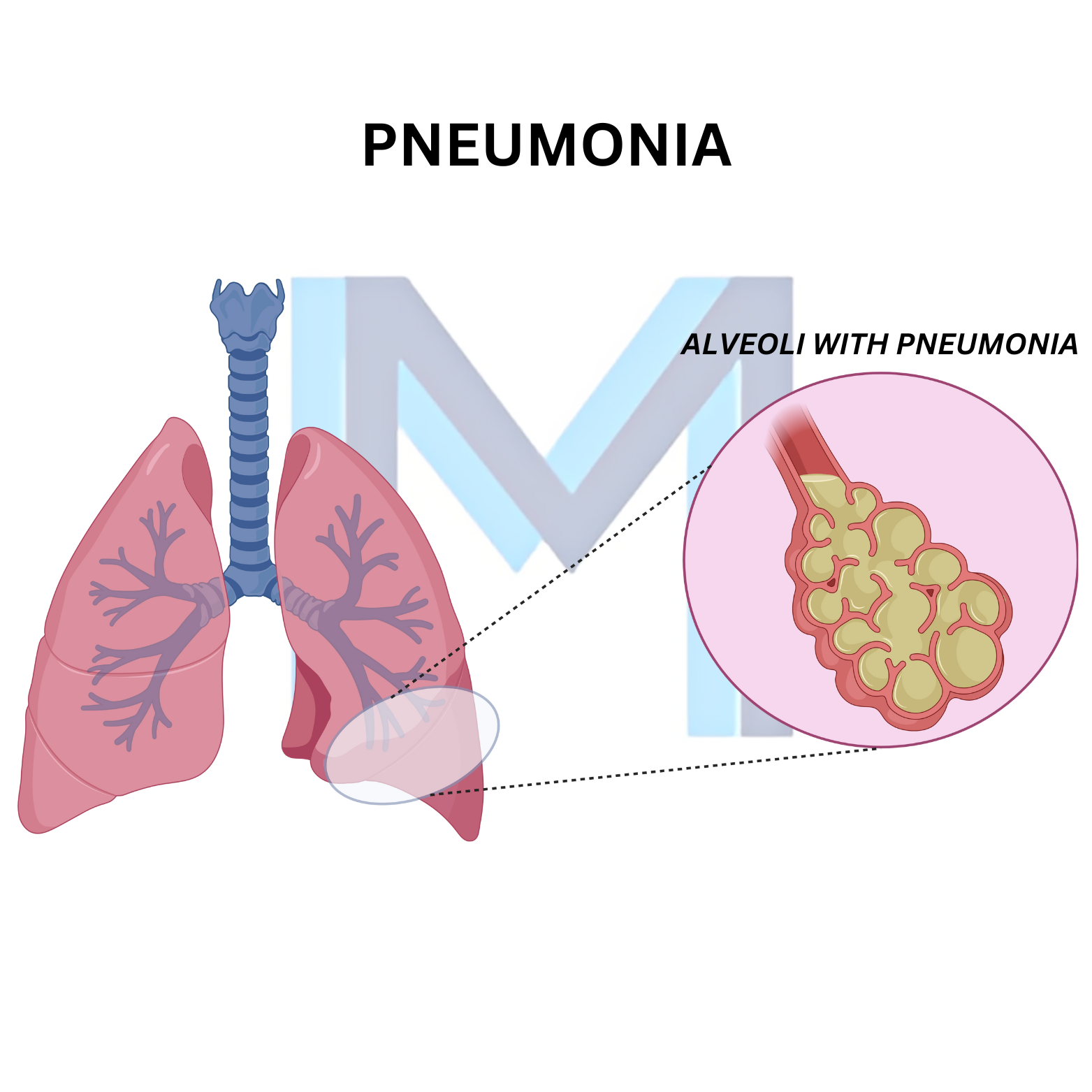
Lobar consolidation in bacterial community-acquired pneumonia

Pathophysiology

Inhaled or aspirated pathogens overcome mucociliary and alveolar macrophage defences to multiply in the alveoli. Neutrophil influx, exudate and fibrin fill alveoli, producing consolidation and impaired gas exchange. Typical (S. pneumoniae, H. influenzae, Moraxella) cause lobar disease with rusty sputum; atypicals (Mycoplasma, Chlamydia pneumoniae, Legionella) produce interstitial patterns with lower fever and dry cough.

Sources: ATS/IDSA CAP Guideline (AJRCCM 2019;200:e45); NICE NG138 Pneumonia

Clinical presentation

Acute cough, purulent sputum, fever/chills, dyspnoea, pleuritic chest pain. Exam: tachypnoea, bronchial breath sounds, dullness to percussion, egophony, increased tactile fremitus. Elderly may present only with confusion or falls. Red flags: hypotension, SpO2 <90%, altered mental status.

Sources: ATS/IDSA CAP Guideline (AJRCCM 2019;200:e45); NICE NG138 Pneumonia

Diagnosis

Chest X-ray shows infiltrate (lobar, patchy, or interstitial). Labs: WBC with left shift, elevated CRP/procalcitonin. Blood cultures and sputum Gram stain/culture for hospitalised patients. Urinary antigens for pneumococcus and Legionella in severe CAP. Respiratory viral PCR during viral seasons. CURB-65 (Confusion, Urea >7 mmol/L, RR ≥30, BP <90/60, age ≥65) scores site of care: 0-1 outpatient, 2 admit, ≥3 ICU consideration.

Sources: ATS/IDSA CAP Guideline (AJRCCM 2019;200:e45); NICE NG138 Pneumonia

Empiric antibiotic therapy

Outpatient healthy adult: amoxicillin 1 g TID or doxycycline. Comorbidities/recent antibiotics: amoxicillin-clavulanate + macrolide or doxycycline, or respiratory fluoroquinolone (levofloxacin, moxifloxacin). Inpatient non-ICU: ceftriaxone + macrolide OR respiratory fluoroquinolone. ICU: beta-lactam + macrolide (or fluoroquinolone). Cover MRSA/Pseudomonas when risk factors present. Total duration 5 days if afebrile ≥48 h and clinically stable.

Sources: ATS/IDSA CAP Guideline (AJRCCM 2019;200:e45); NICE NG138 Pneumonia

Prevention & complications

Vaccinate high-risk patients (age ≥65, chronic disease, immunocompromised) with PCV20 or PCV15 + PPSV23, annual influenza and COVID-19 vaccines. Complications: parapneumonic effusion, empyema, lung abscess, sepsis, ARDS. Follow-up CXR at 6 weeks in smokers >50 y to exclude underlying malignancy.

Sources: ATS/IDSA CAP Guideline (AJRCCM 2019;200:e45); NICE NG138 Pneumonia
Sample USMLE-style MCQs

Try 10 questions on this topic. Practice hundreds more free with a trial.

Question 1

A 68-year-old woman has cough, fever, confusion, RR 32 and BP 88/50. Which CURB-65 score and disposition apply?

Question 2

A previously healthy 25-year-old has 10 days of dry cough, low-grade fever and bilateral interstitial infiltrates. Best empiric therapy?

Question 3

A 65-year-old with COPD and CAP (CURB-65 = 2). Best empiric therapy?

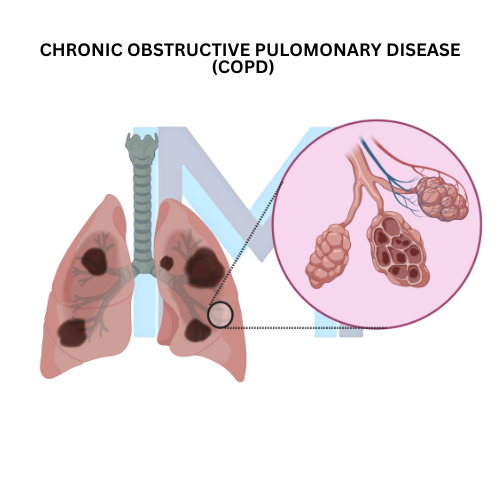
Related topics:COPD

Question 4

Which trial supported hydrocortisone in severe CAP?

Question 5

A patient with pneumonia develops fever, diarrhoea, hyponatraemia and confusion. Which organism is most likely?

Question 6

Which vaccine schedule is recommended for a healthy 66-year-old man?

Question 7

Which antigen supports L. pneumophila diagnosis?

Question 8

Vaccine sequence for >=65?

Question 9

Which sputum finding is classic for Klebsiella pneumoniae pneumonia?

Question 10

Antiviral for early COVID-19 with high-risk factors?

References

Primary guidelines and peer-reviewed sources used for this entry. Reviewed 12 Jul 2026 by MedicoMedics editorial team.

  1. ATS/IDSA CAP Guideline (AJRCCM 2019;200:e45)
  2. NICE NG138 Pneumonia

Frequently asked

What organism causes "rusty" sputum?

Streptococcus pneumoniae classically produces rust-coloured sputum from alveolar red-cell breakdown.

When should procalcitonin change management?

Very low procalcitonin argues against bacterial infection and supports discontinuing antibiotics earlier; do not withhold antibiotics based solely on procalcitonin in severe CAP.

Which pathogen causes hyponatraemia and diarrhoea with pneumonia?

Legionella pneumophila - classic triad of high fever, GI symptoms and hyponatraemia; urinary antigen detects serogroup 1.

How long should antibiotics be given?

Minimum 5 days provided the patient is afebrile 48 h with clinical stability - longer courses do not improve outcomes and drive resistance.

Related conditions

High-yield topics students commonly study alongside Community-Acquired Pneumonia.

More in Pulmonology

Ready to master this topic?

Get the full lecture, 500+ MCQs, and AI explanations with a 7-day free trial.