Pathophysiology
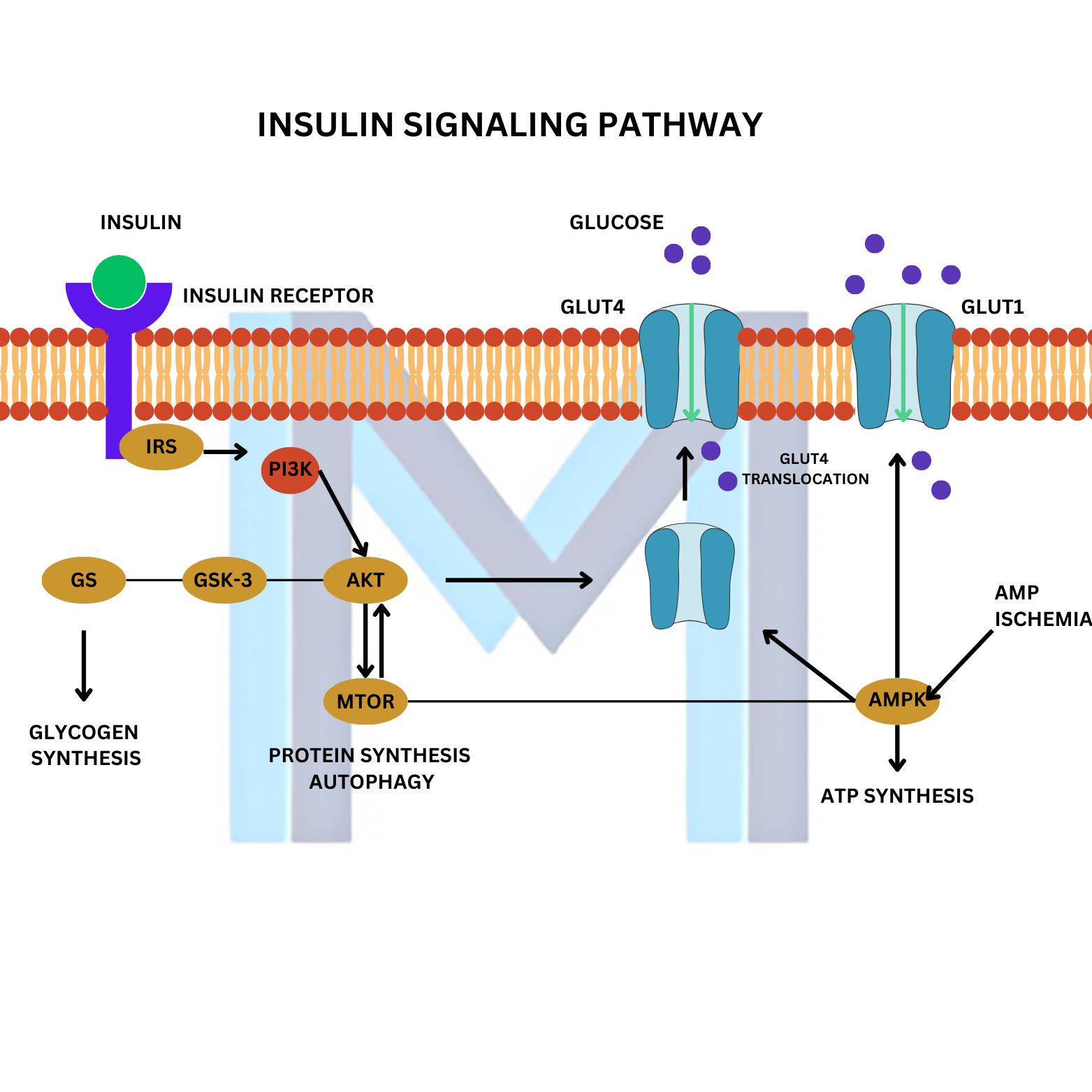
Adipose-driven inflammation and ectopic lipid deposition impair insulin receptor signalling (IRS-1/PI3K/Akt pathway), reducing GLUT4 translocation in muscle and failing to suppress hepatic gluconeogenesis. Beta-cells initially hypersecrete but eventually fail due to glucolipotoxicity and amyloid deposition.
Sources: ADA Standards of Care in Diabetes 2026 (Diabetes Care 2026;49:S1); ADA/EASD Consensus on Hyperglycaemia in T2DM (Diabetologia 2022;65:1925); KDIGO Diabetes in CKD Guideline (Kidney Int 2022;102:S1)
Clinical presentation
Often asymptomatic for years; polyuria, polydipsia, blurred vision, recurrent candidiasis, acanthosis nigricans, or discovered on screening. Presenting complication may be MI, stroke, foot ulcer, or hyperosmolar hyperglycaemic state (HHS).
Sources: ADA Standards of Care in Diabetes 2026 (Diabetes Care 2026;49:S1); ADA/EASD Consensus on Hyperglycaemia in T2DM (Diabetologia 2022;65:1925); KDIGO Diabetes in CKD Guideline (Kidney Int 2022;102:S1)
Diagnosis (ADA 2026)
Any one, confirmed on repeat: HbA1c >=6.5%, fasting plasma glucose >=7.0 mmol/L (126 mg/dL), 2-h OGTT >=11.1 mmol/L (200 mg/dL), or random glucose >=11.1 mmol/L with classic symptoms. Pre-diabetes: HbA1c 5.7-6.4%.
Sources: ADA Standards of Care in Diabetes 2026 (Diabetes Care 2026;49:S1); ADA/EASD Consensus on Hyperglycaemia in T2DM (Diabetologia 2022;65:1925); KDIGO Diabetes in CKD Guideline (Kidney Int 2022;102:S1)
Management
Lifestyle plus metformin remain first-line for most. Add GLP-1 receptor agonists (semaglutide, tirzepatide) or SGLT2 inhibitors (empagliflozin, dapagliflozin) early - both give cardiorenal benefit independent of A1c. Target A1c <7% in most adults, individualised. Statin for ASCVD risk, ACEi/ARB if albuminuria.
Sources: ADA Standards of Care in Diabetes 2026 (Diabetes Care 2026;49:S1); ADA/EASD Consensus on Hyperglycaemia in T2DM (Diabetologia 2022;65:1925); KDIGO Diabetes in CKD Guideline (Kidney Int 2022;102:S1)
Complications
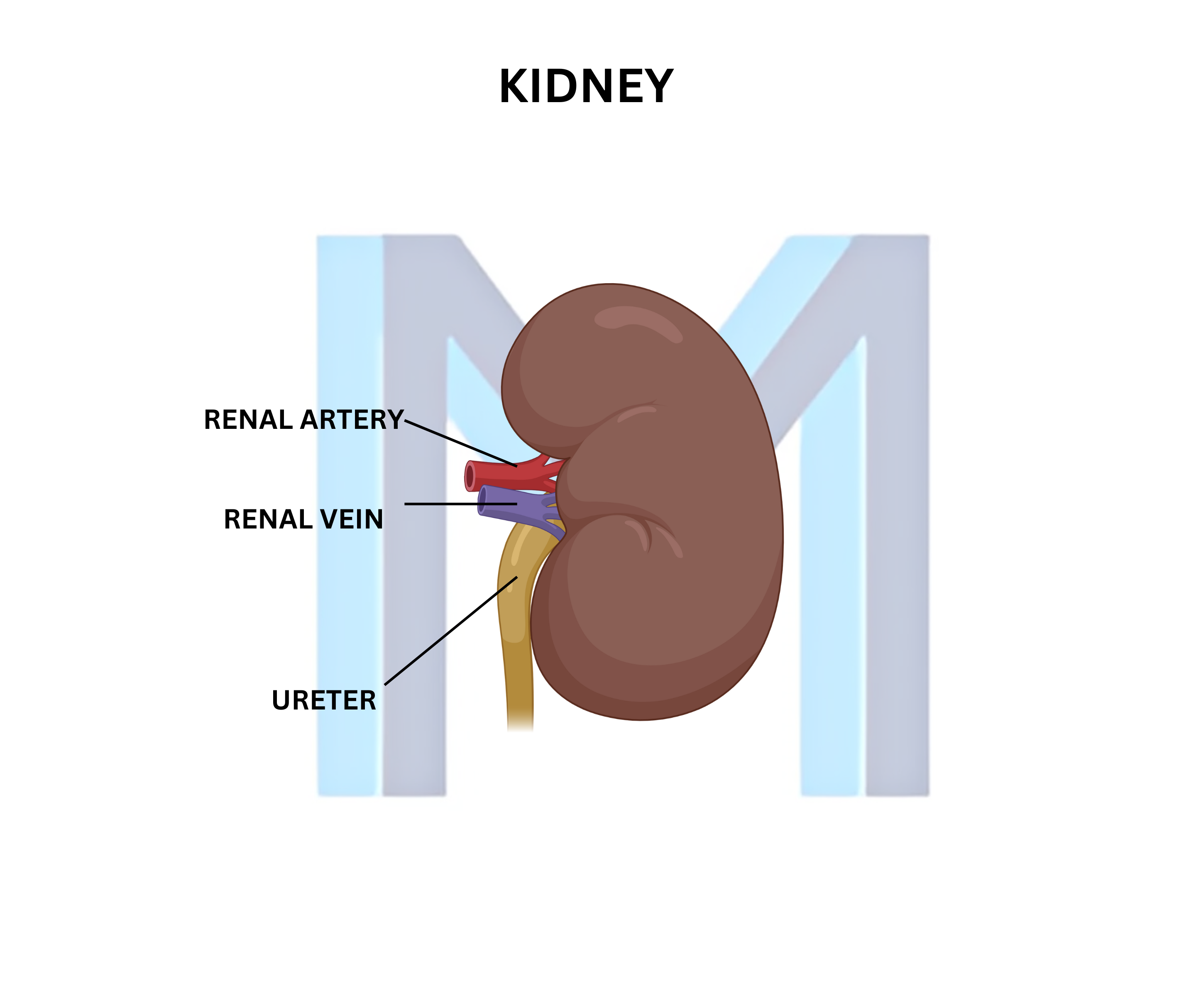
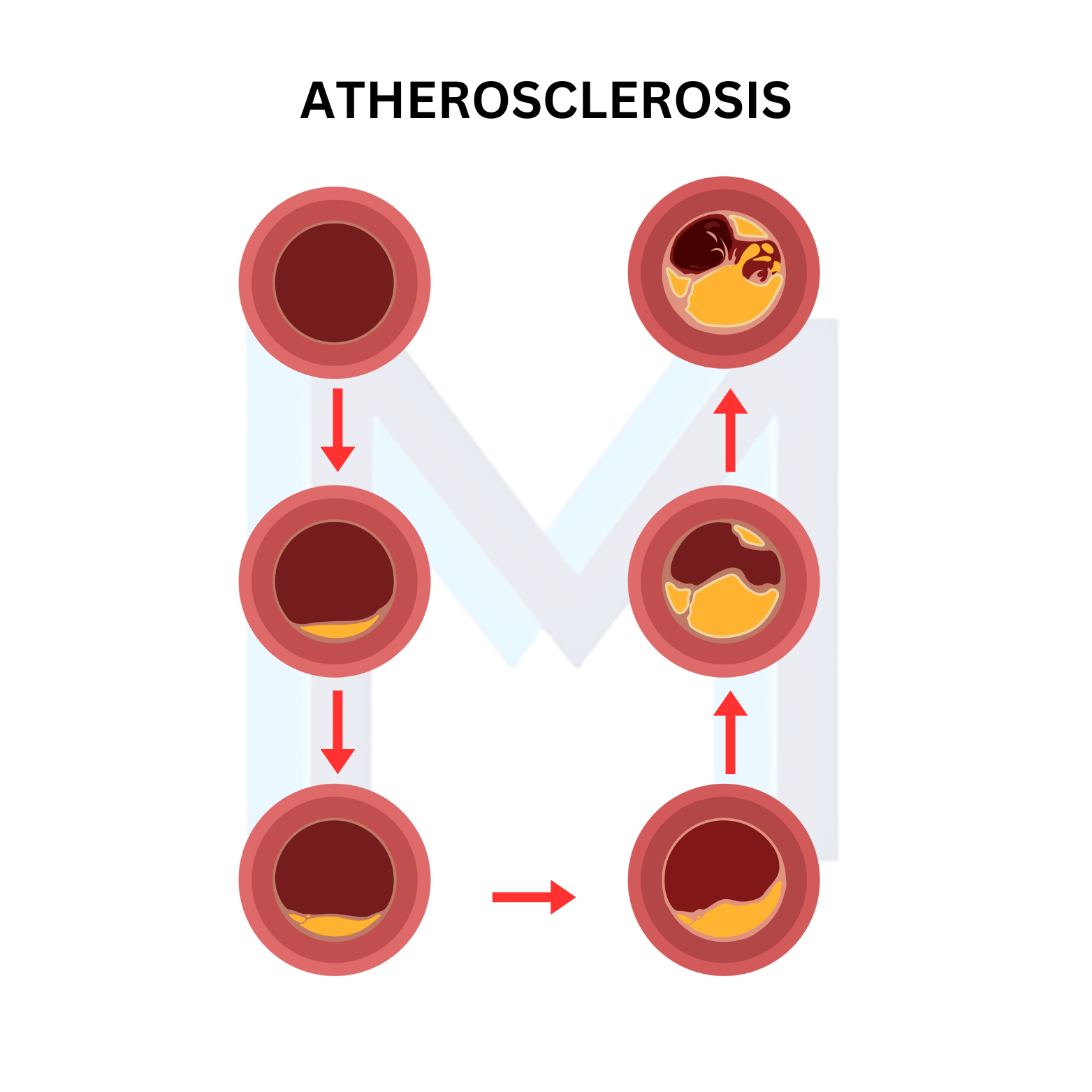
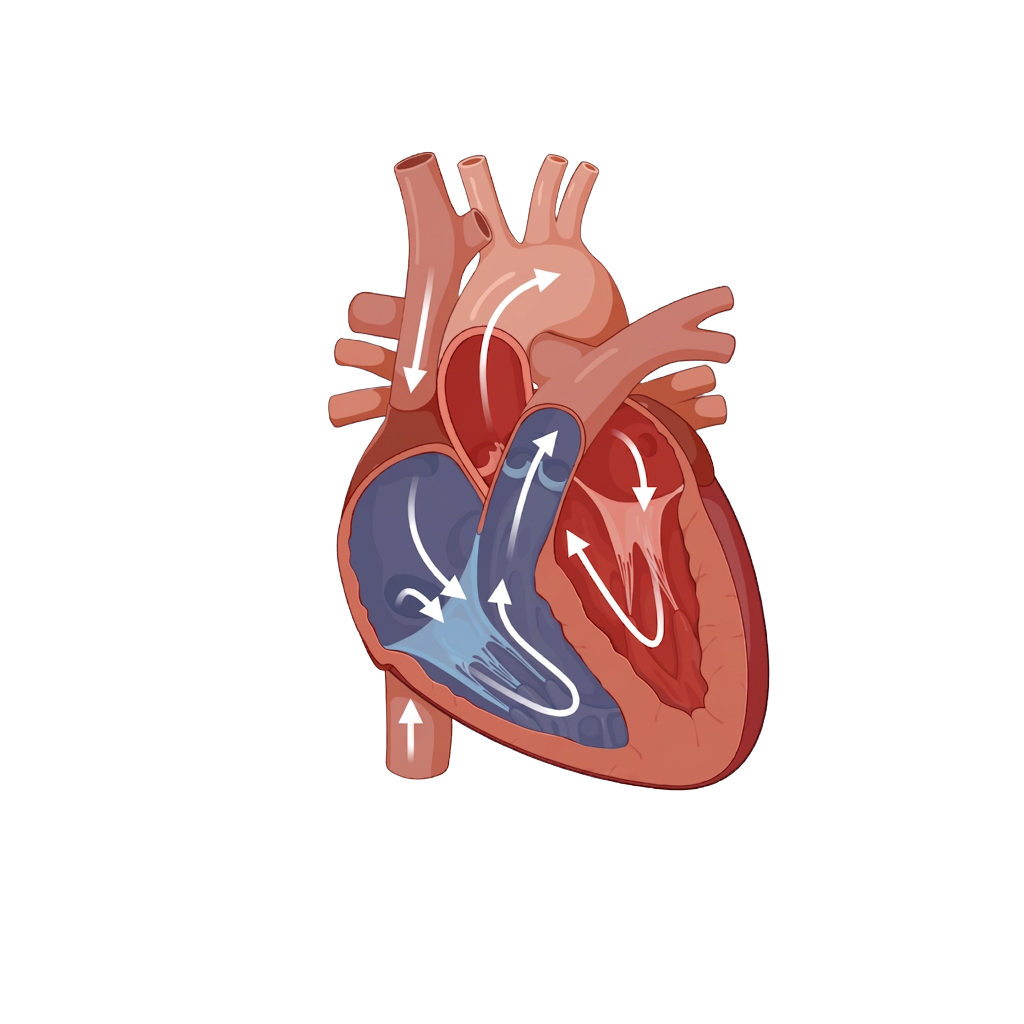
Microvascular: retinopathy (leading cause of adult blindness), nephropathy (leading cause of ESRD), neuropathy (distal symmetric). Macrovascular: 2-4x MI/stroke risk. Diabetic foot ulcers, gastroparesis, and increased infection susceptibility.
Sources: ADA Standards of Care in Diabetes 2026 (Diabetes Care 2026;49:S1); ADA/EASD Consensus on Hyperglycaemia in T2DM (Diabetologia 2022;65:1925); KDIGO Diabetes in CKD Guideline (Kidney Int 2022;102:S1)