Pathophysiology
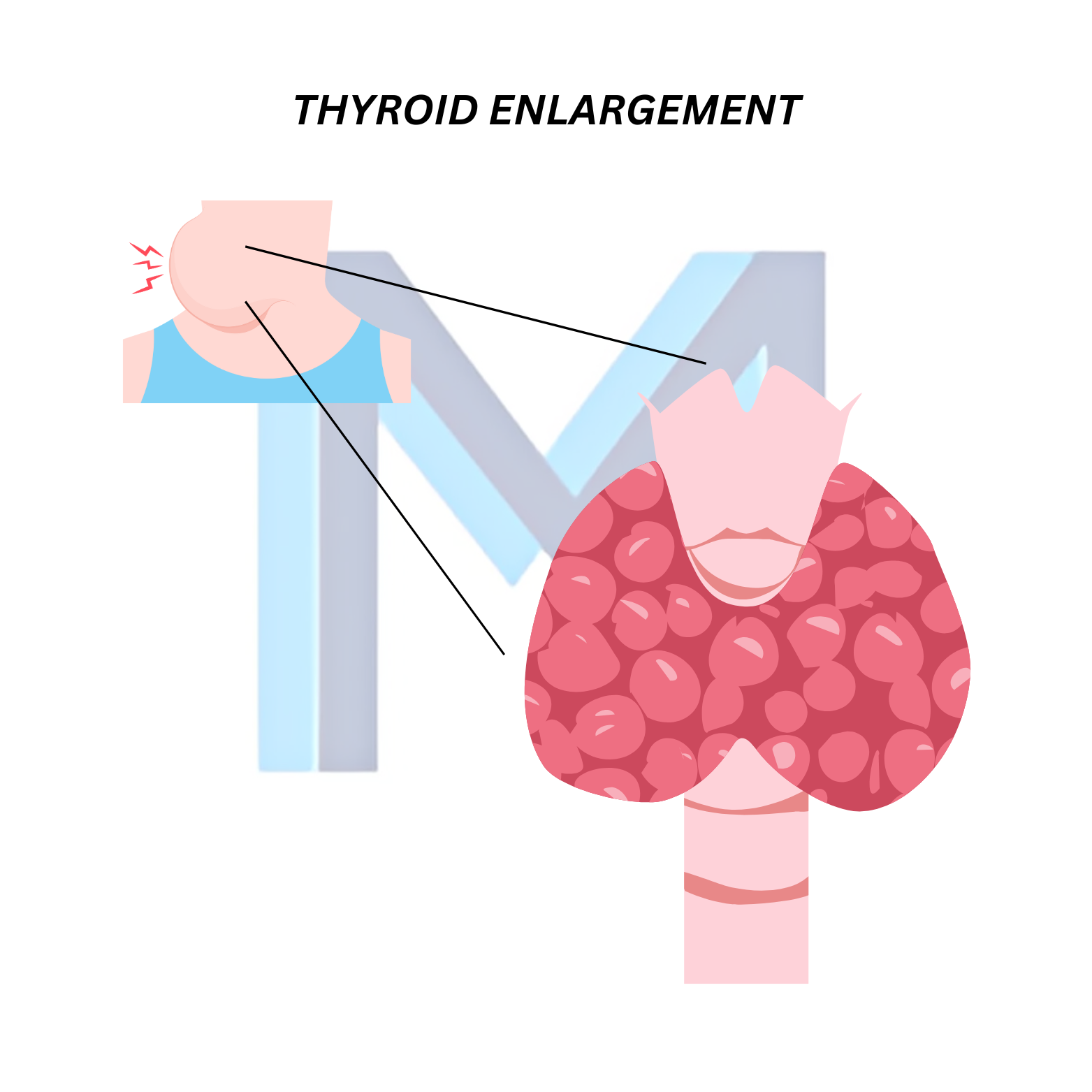
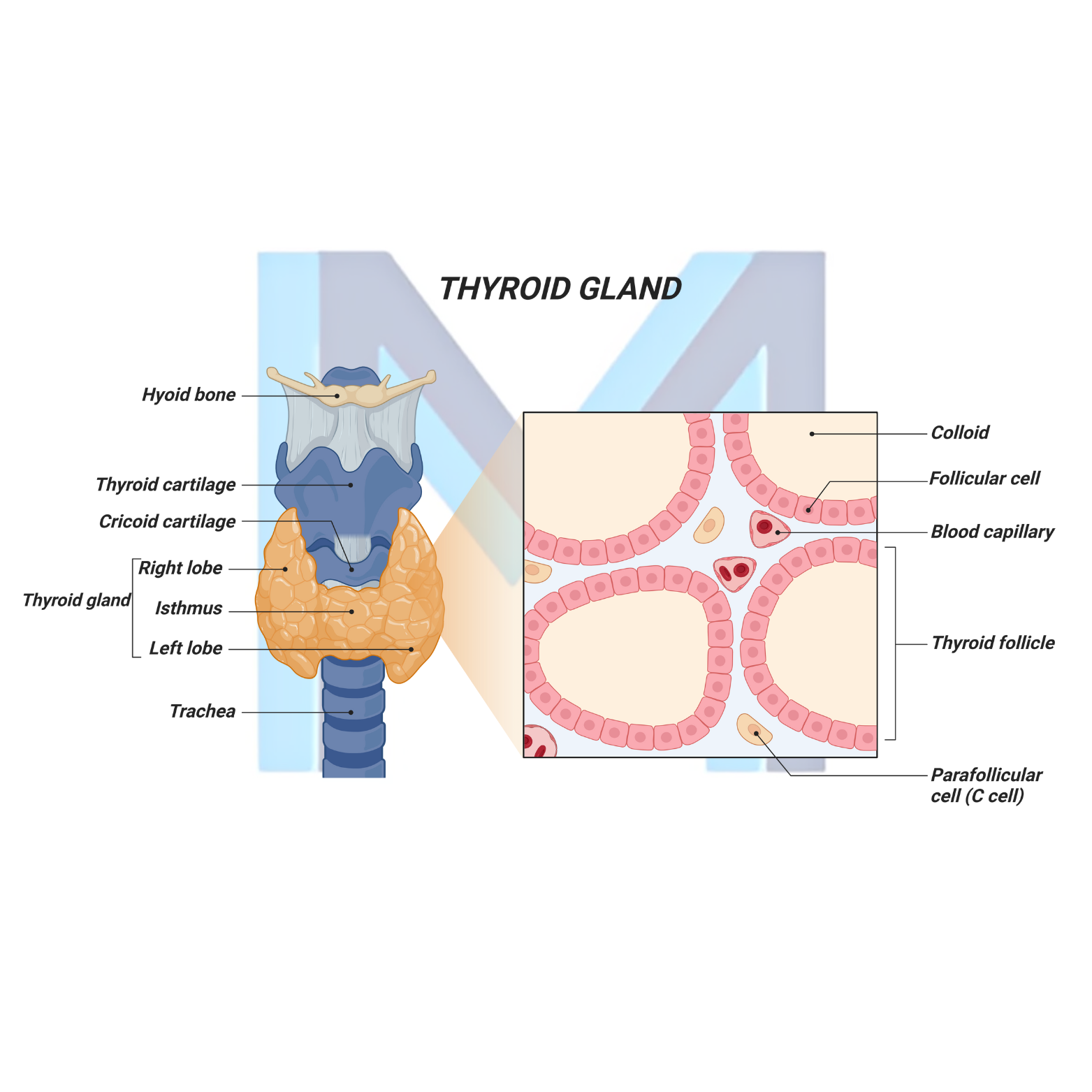
TSI (TRAb) binds and activates the TSH receptor on follicular cells, causing hyperplasia and unregulated T4/T3 synthesis. Cross-reactivity with fibroblast TSH receptors in orbit and pretibial skin causes ophthalmopathy and dermopathy.
Sources: ATA Hyperthyroidism Guidelines (Thyroid 2016;26:1343); EUGOGO 2021 Guidelines on Graves Orbitopathy (Eur J Endocrinol 2021;185:G43)
Clinical presentation
Weight loss with preserved appetite, heat intolerance, palpitations, tremor, anxiety, oligomenorrhoea, diffuse smooth goitre with bruit. Ophthalmopathy (proptosis, lid lag, diplopia) and pretibial myxoedema are Graves-specific.
Sources: ATA Hyperthyroidism Guidelines (Thyroid 2016;26:1343); EUGOGO 2021 Guidelines on Graves Orbitopathy (Eur J Endocrinol 2021;185:G43)
Diagnosis
Suppressed TSH with elevated free T4/T3. Positive TRAb is diagnostic. If antibody negative, radioactive iodine uptake (RAIU) scan shows diffuse increased uptake (versus focal in toxic nodule and near-zero in thyroiditis).
Sources: ATA Hyperthyroidism Guidelines (Thyroid 2016;26:1343); EUGOGO 2021 Guidelines on Graves Orbitopathy (Eur J Endocrinol 2021;185:G43)
Management
Beta-blockers (propranolol) for symptoms. Definitive options: (1) thionamides (methimazole preferred; PTU only in first-trimester pregnancy or thyroid storm), (2) radioactive iodine ablation, (3) total thyroidectomy. Steroids for moderate-severe orbitopathy; teprotumumab for active thyroid eye disease.
Sources: ATA Hyperthyroidism Guidelines (Thyroid 2016;26:1343); EUGOGO 2021 Guidelines on Graves Orbitopathy (Eur J Endocrinol 2021;185:G43)
Thyroid storm
Life-threatening decompensation: fever, tachyarrhythmia, delirium, high-output cardiac failure. Treat with PTU, iodine (Lugol) 1 h after PTU, beta-blocker, hydrocortisone, cooling, and address precipitant.
Sources: ATA Hyperthyroidism Guidelines (Thyroid 2016;26:1343); EUGOGO 2021 Guidelines on Graves Orbitopathy (Eur J Endocrinol 2021;185:G43)