Pathophysiology
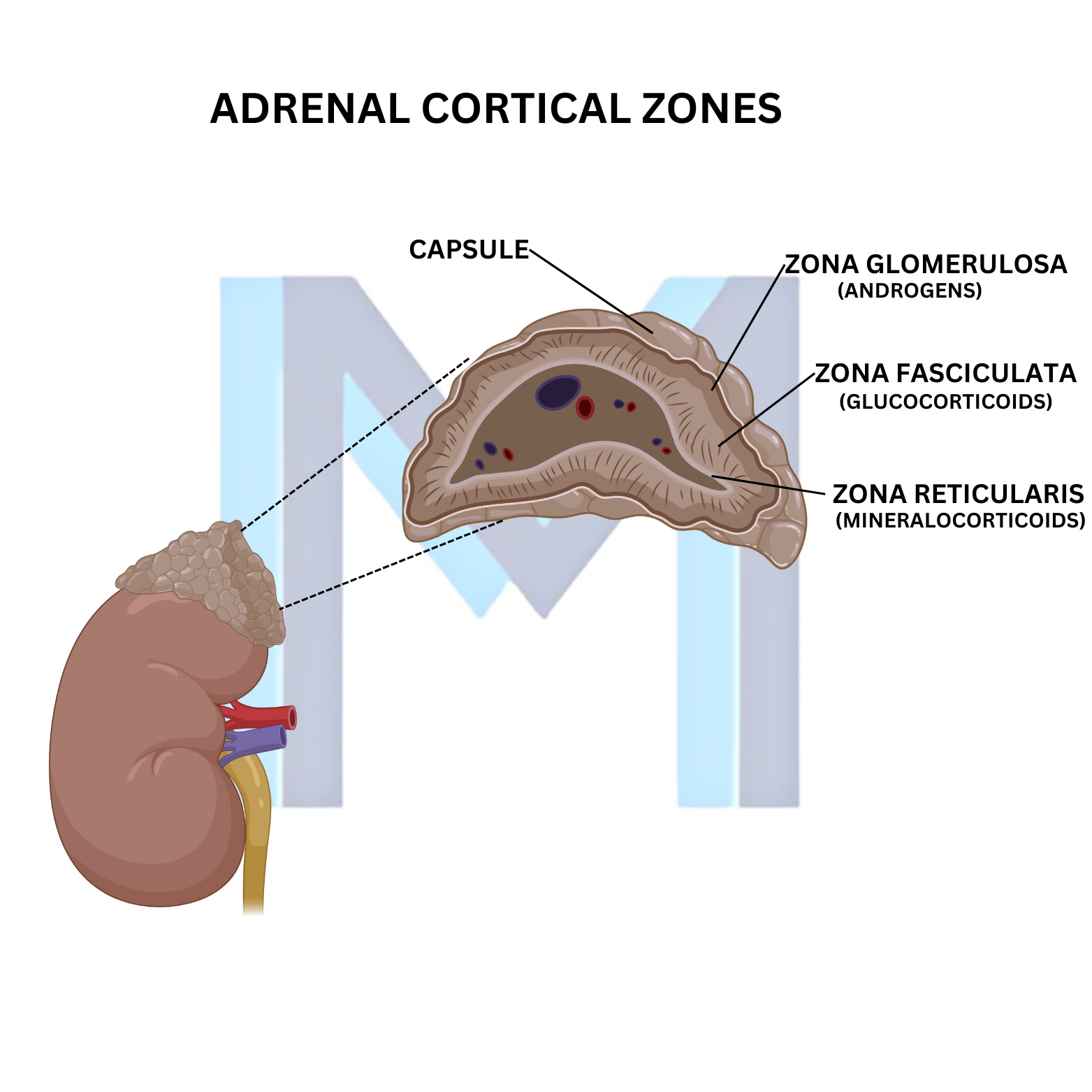
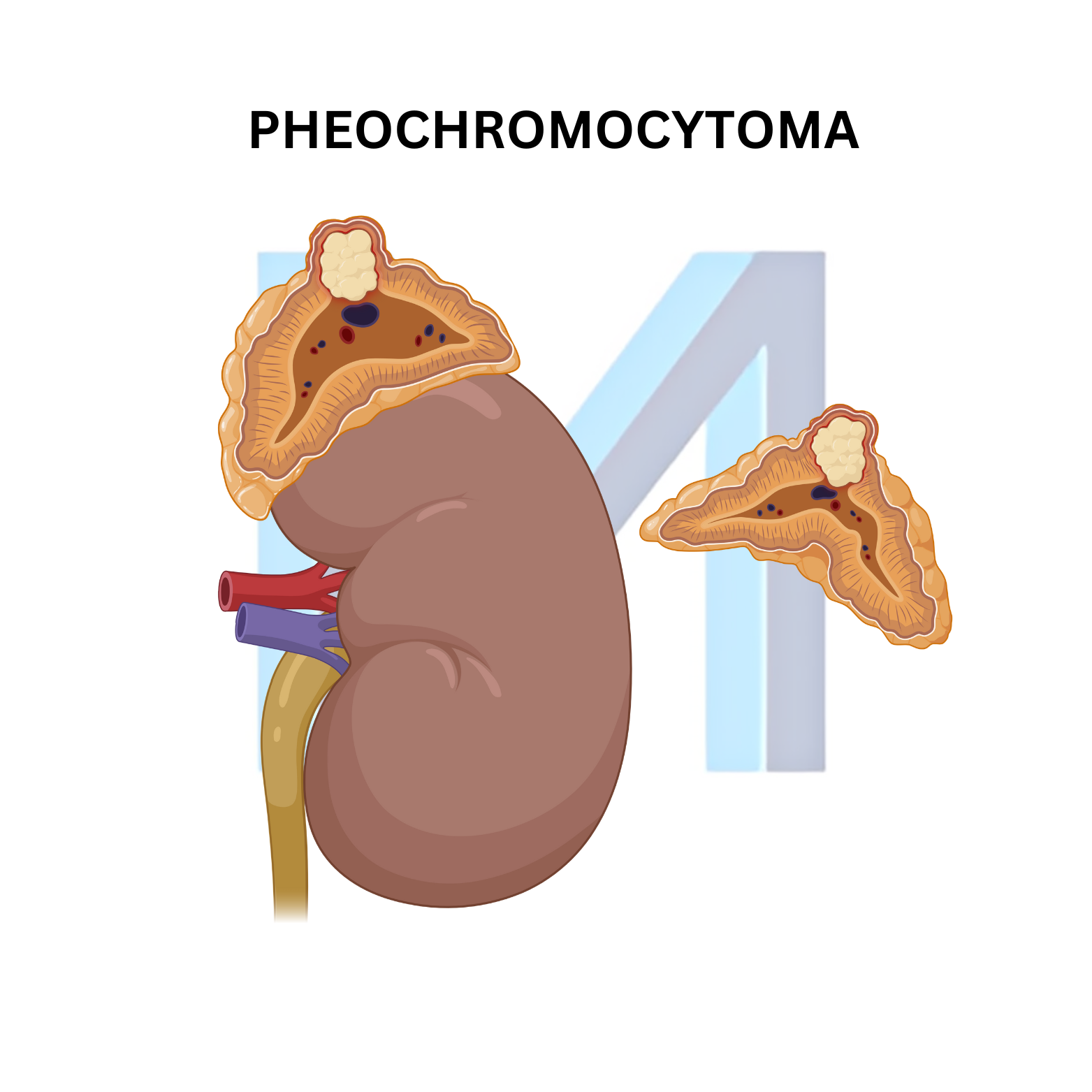
Autonomous secretion of noradrenaline, adrenaline and dopamine drives alpha- and beta-adrenergic overstimulation. Associations: MEN2A/2B (RET), von Hippel-Lindau, neurofibromatosis type 1, SDHB/SDHD mutations.
Sources: Endocrine Society CPG Pheochromocytoma/Paraganglioma (J Clin Endocrinol Metab 2014;99:1915); NANETS Consensus on Perioperative Management (Endocr Relat Cancer 2020;27:T1)
Clinical presentation
Classic triad: episodic headache, sweating, palpitations. Sustained or paroxysmal hypertension, orthostasis, pallor, anxiety, weight loss. Precipitants: anaesthesia induction, contrast, beta-blocker alone, tyramine foods.
Sources: Endocrine Society CPG Pheochromocytoma/Paraganglioma (J Clin Endocrinol Metab 2014;99:1915); NANETS Consensus on Perioperative Management (Endocr Relat Cancer 2020;27:T1)
Diagnosis
Plasma free metanephrines (highest sensitivity) or 24-h urinary fractionated metanephrines. Localise with CT/MRI adrenal; if negative, 123I-MIBG or 68Ga-DOTATATE PET. Genetic testing for all patients.
Sources: Endocrine Society CPG Pheochromocytoma/Paraganglioma (J Clin Endocrinol Metab 2014;99:1915); NANETS Consensus on Perioperative Management (Endocr Relat Cancer 2020;27:T1)
Management
Preoperative alpha blockade (phenoxybenzamine 10-14 days) FIRST, then add beta-blocker only after adequate alpha-blockade to prevent hypertensive crisis. High-salt diet and volume expansion. Definitive: laparoscopic adrenalectomy. Lifelong biochemical follow-up (10% malignant, 10% bilateral, 10% extra-adrenal - the 10% tumour).
Sources: Endocrine Society CPG Pheochromocytoma/Paraganglioma (J Clin Endocrinol Metab 2014;99:1915); NANETS Consensus on Perioperative Management (Endocr Relat Cancer 2020;27:T1)