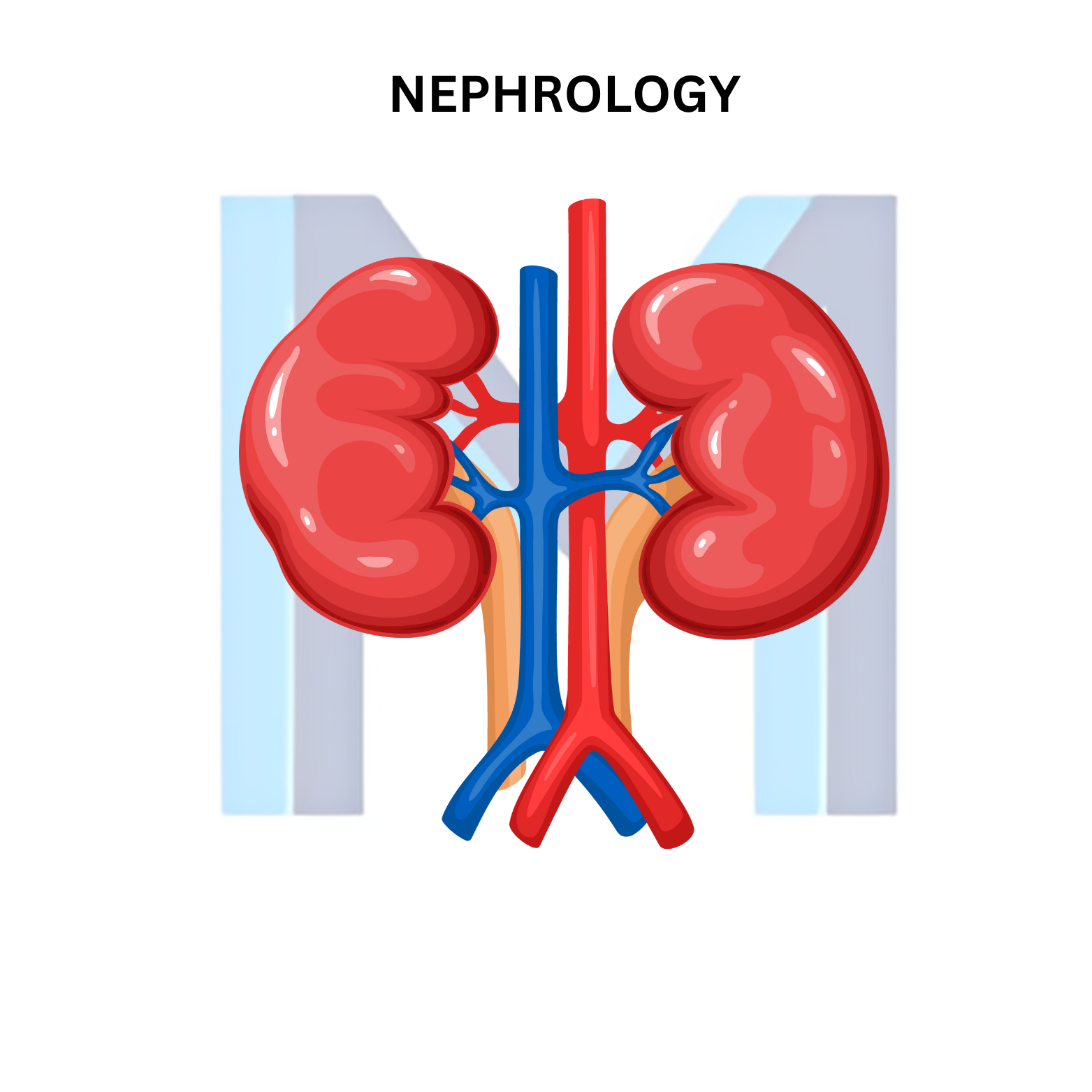
Nephrology

Autosomal Dominant Polycystic Kidney Disease

Most common inherited kidney disease; PKD1/PKD2 mutations cause bilateral renal cysts, progressive CKD, hypertension and extra-renal manifestations.

Last reviewed 6 Jul 2026 - MedicoMedics editorial team

Enlarged polycystic kidneys

Pathophysiology

PKD1 (85%) or PKD2 (15%) mutations disrupt polycystin-1/2 in primary cilia; cysts enlarge, compress parenchyma, and reduce GFR.

Sources: KDIGO ADPKD 2024; TEMPO 3:4 Tolvaptan (NEJM 2012;367:2407)

Presentation

Hypertension in young adults, flank pain, gross haematuria, nephrolithiasis, palpable kidneys, intracranial berry aneurysms, hepatic cysts, mitral valve prolapse.

Diagnosis

Ultrasound criteria (Pei-Ravine) age-adjusted; genetic testing for atypical presentation. Screen for intracranial aneurysm if family history.

Management

BP control (<110/75 in young rapid progressors), high fluid intake, low sodium, avoid nephrotoxins. Tolvaptan (V2 antagonist) slows GFR decline in rapidly progressing PKD1.
Sample USMLE-style MCQs

Try 5 questions on this topic. Practice hundreds more free with a trial.

Question 1

A 32-year-old with family history of ADPKD, BP 148/95, US shows bilateral cysts. Best BP target?

Question 2

Which drug slows GFR decline in rapidly progressing ADPKD?

Question 3

Extrarenal manifestation with high SAH risk?

Question 4

Which gene, when mutated, produces the milder ADPKD phenotype?

Question 5

Pei-Ravine ultrasound criteria diagnose ADPKD by which age with which cyst number?

References

Primary guidelines and peer-reviewed sources used for this entry. Reviewed 6 Jul 2026 by MedicoMedics editorial team.

  1. KDIGO ADPKD 2024
  2. TEMPO 3:4 Tolvaptan (NEJM 2012;367:2407)

Frequently asked

Which drug slows progression?

Tolvaptan - monitor LFTs and aquaresis.

When to screen for aneurysm?

Family history of SAH or aneurysm, high-risk occupation.

Common extrarenal features?

Hepatic cysts, MVP, aneurysm, hernias.

Related conditions

High-yield topics students commonly study alongside Autosomal Dominant Polycystic Kidney Disease.

Ready to master this topic?

Get the full lecture, 500+ MCQs, and AI explanations with a 7-day free trial.