Step 1 plans break in week four. That is not a guess, that is what tutors see again and again. The plan looks great on paper, then someone catches the flu, falls two days behind, scores 55 percent on a random block, and the whole thing unravels. The plans that work are not the most ambitious. They are the ones built to recover.
Two facts to anchor everything below. First, Step 1 is pass/fail 1 - your plan should be calibrated to clear the bar reliably, not to grind for a number that no longer exists. Second, the content distribution is published by USMLE and is the only blueprint that actually matters 2. Build the calendar around it, not around whoever's YouTube series you happened to watch first.
Here is a 14-week structure that bends instead of snapping.
Weeks 1 and 2. Diagnose, then rebuild
Take a full NBME in the first week. Yes, really. Even if it feels too early. You cannot plan around a score you do not have. Once the score is in, pick the single weakest organ system and spend two weeks rebuilding it from scratch. The NBME forms are calibrated by the same body that writes the exam, which is why they are the best signal you have access to 3.
Pair one video series with one question bank. Not three of each. Switching resources every week burns more time than any new resource saves.
Weeks 3 through 10. Systems, one per week
Move through the organ systems in this order, because earlier topics scaffold the later ones:
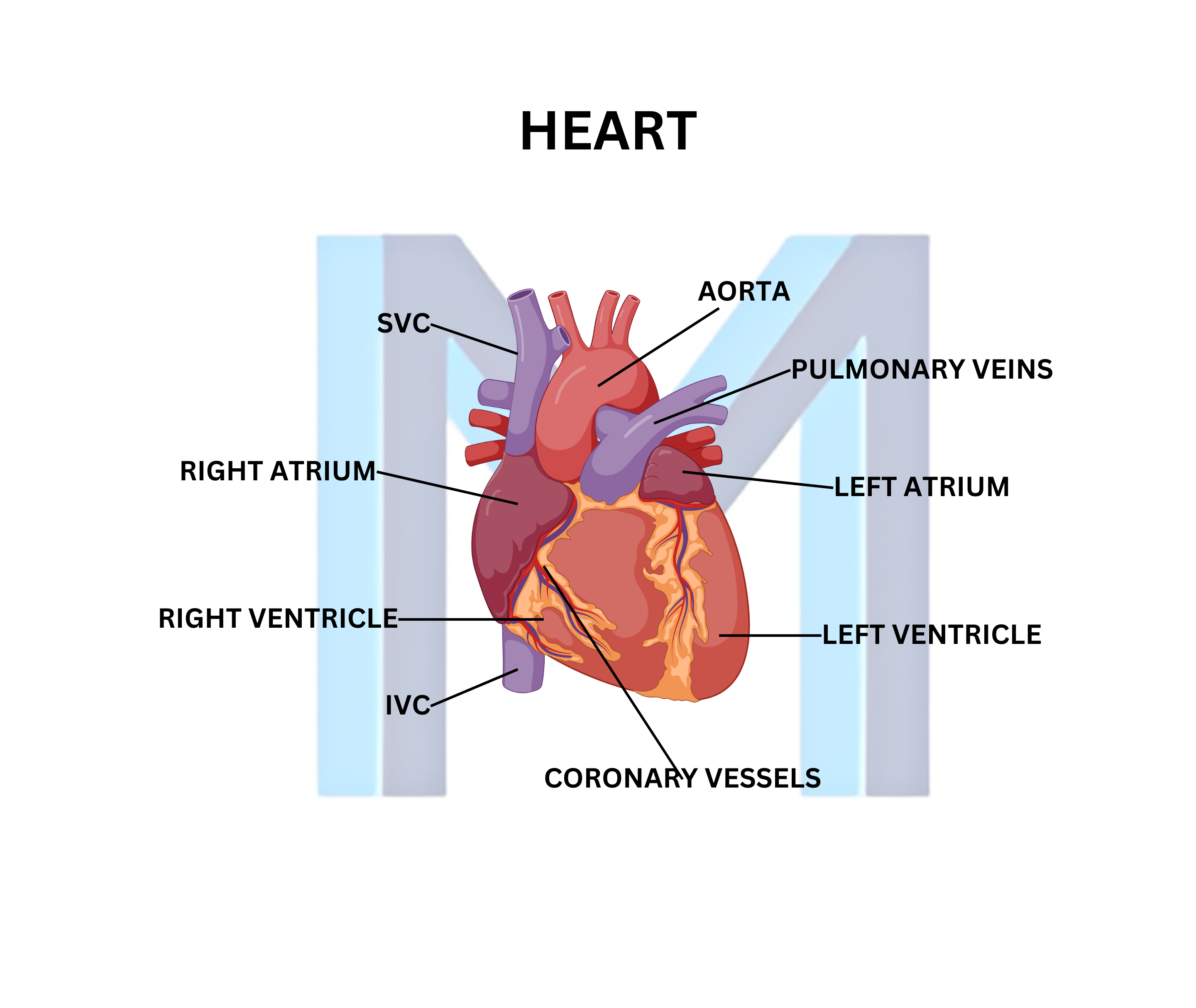
- Cardiology
- Pulmonology
- Renal
- Gastroenterology and hepatology
- Endocrinology
- Heme and onc
- Neurology and psychiatry
- A combined week of repro, MSK and derm
Each day inside a system week:
- 40 timed MCQs on the system in focus
- about 90 minutes reviewing the underlying concepts, not the exact answers you missed
- 30 minutes touching the previous week's system so it does not rot
At the end of every week, do a 40-question mixed block over everything you have studied so far. If you have to pick one thing to protect, protect this block.
Week 11. The week most people skip
Behavioural science, biostatistics, communication and professionalism together carry significant weight on the published content outline 2. Most students give them about 15 minutes total. A real, focused week here is one of the highest-yield moves in the entire plan, especially for borderline passers. Do not skip it. Even if you hate it.
Week 12. NBME number two and a weakness sprint
Take a second NBME. Look at the result, then look at the per-system breakdown for longer. Spend the rest of the week on your three worst systems. Comfort studying (rereading what you already know) is the most expensive habit in exam prep, and week 12 is when it shows up the most.
Week 13. Dress rehearsals
Three full-length self-assessments or NBMEs spread across the week, with a rest day between each. Same start time as the real exam. Same breakfast. Same caffeine. Same break pattern. You are not just checking knowledge, you are practising your nervous system.
Week 14. Taper, do not cram
Cut volume in half. No new content of any kind. Light flashcards, a quick ethics refresh, and sleep. The exam tests what already lives in your head. The final 72 hours barely move that needle.
Build recovery in, on purpose
One full off-day per week. Two soft days per month where study caps at two hours. When (not if) you fall behind, do not bolt on a 14-hour catch-up day. That single day will eat the next three. Skip the missed material and pick it up in the next weekly mixed block. Systematic-review evidence on physician trainees is clear that scheduled recovery time is protective against burnout 4, and a burnt-out student is a slow learner.
How to read your scores
- NBME 1: a baseline. Low scores here are normal and not predictive of failure if your plan adapts.
- NBME 2 onwards: the strongest predictor available to you - use it to decide whether to delay 3.
- Question bank percent correct: not a score predictor. Banks are harder than the real test on purpose.
A short note on burnout
If you have stopped caring about medicine, take a full day off. Two if you need them. A burnt-out trainee is measurably less effective for weeks afterwards 4. One rest day costs you under one percent of the total plan. The math is not even close.
Closing
A good Step 1 plan is boring, recoverable, and honest about how brains actually learn. Build it once. Follow it loosely. Trust it.